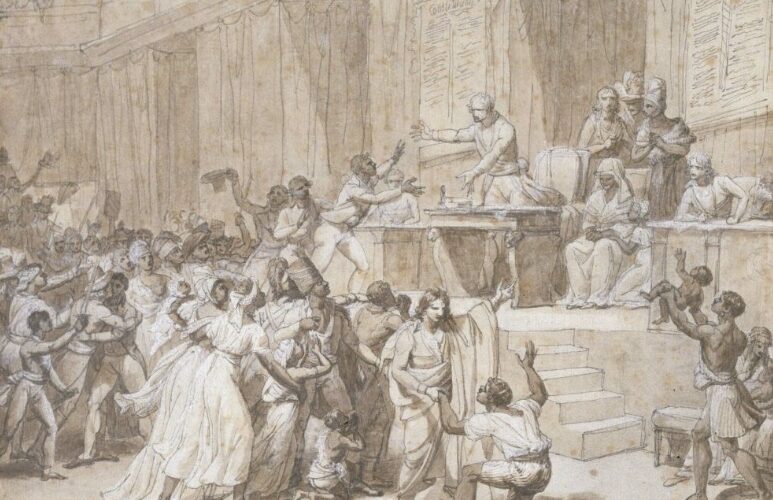
On August 29, 1793, Léger-Félicité Sonthonax, civil commissioner of the northern part of the French colony Saint-Domingue (present-day Haiti), issued a decree that formally abolished slavery forever in his region of the colony. This proclamation, which was seemingly the first of its kind, created a snowball effect that eventually led to the National Convention’s official Feb 4, 1794, decree abolishing slavery throughout all of the French colonies. Used initially as a tactic for securing the colony for French control in the face of British invasion and colony-wide slave revolt, Sonthonax can easily be credited with paving the way for early calls for the abolition of slavery, and was a primary initiator for the French being one of the first countries to formally abolish the institution of slavery throughout all of their provinces and colonies. What began as a “small” political action in the northern region of a colony with a very large slave population established one of the most disruptive chains of events for the abolition of the institution of slavery.
Author: Graiden Allen
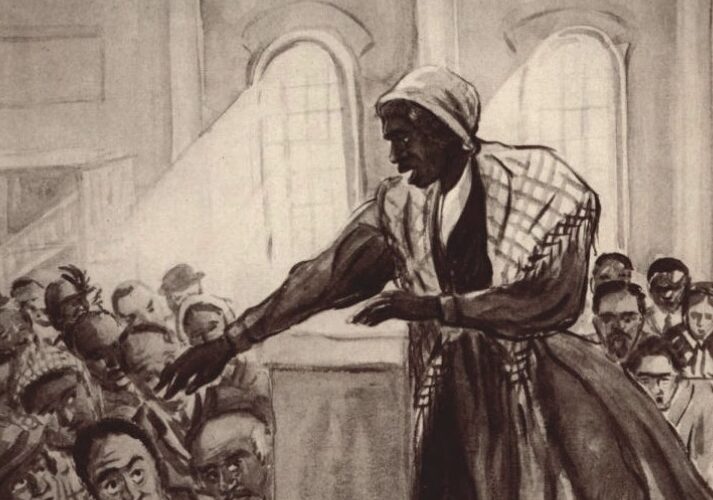
“Ain’t I A Woman” (1851)
1840-1945, Black, Consciousness Raising, Date, Defining the Enemy, Subjectives of Refusal, Tactics of Disruption, White Supremacy, WomenSojourner Truth was a prominent American abolitionist, speaking out primarily for African-American civil rights, women’s rights, and alcohol temperance. In this speech given at the Akron, Ohio, Women’s Convention in 1851, Truth was a pioneer in demonstrating the dual burden Black women faced. Seeing as this demographic was facing both deep-rooted racism and sexism, she, in this speech, attempts to describe the potential for disruption that these women had. It was also very important to Truth to legitimize the rights of Black women. She describes how, at this dawn of women’s rights activism, White women were given more legitimacy in the eyes of men, but Truth is disrupting preconceived conventions by asking, “And ain’t I a woman?” While in this era of abolitionism, we primarily focus on the civil rights of the enslaved, we regularly forget that in this period, early calls for the equal rights of women were beginning to emerge. Truth, makes sure that we don’t forget the demographic that was affected by both of these movements, Black women.
The Liberator’s Salutation (1831)
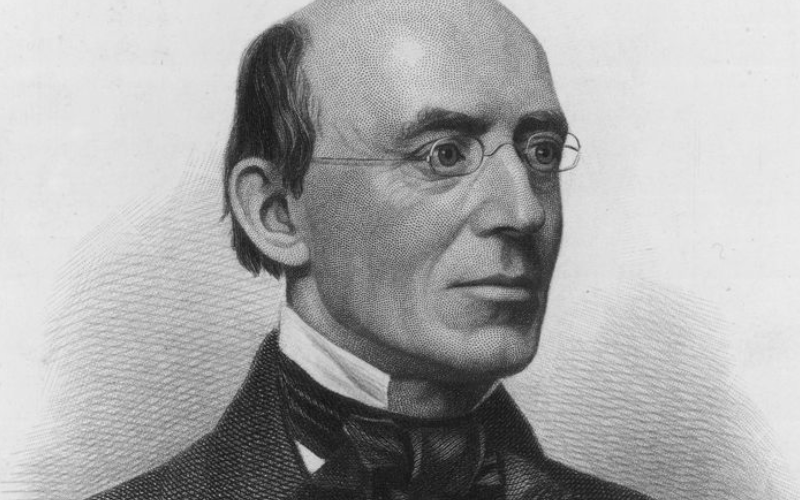
1700-1830s, Black, Consciousness Raising, Date, Strike, Subjectives of Refusal, Tactics of DisruptionThe Liberator served as one of the most disruptive calls for abolition that existed in the Civil War era. In circulation from January 1831 to December 1865, this newspaper was primarily published by William Lloyd Garrison, and in this “Salutation” that was issued in the first print, we can see the primary purpose for the paper, and the radical, disruptive measures it was looking to make in order to abolish slavery. Using incredibly provocative language, Garrison, with this “Salutation,” was successful in his continuous call(s) to action. Newspapers, such as the Liberator, were extremely effective forms of disruption in the way(s) that they were able to spread awareness and validation for the ever increasing abolishtionist movement.
My name is “
LIBERATOR!” I propose
To hurl my shafts at freedom’s deadliest foes!
My task is hard—for I am charged to save
Man from his brother!—to redeem the slave!
Our Countrymen in Chains (1841)
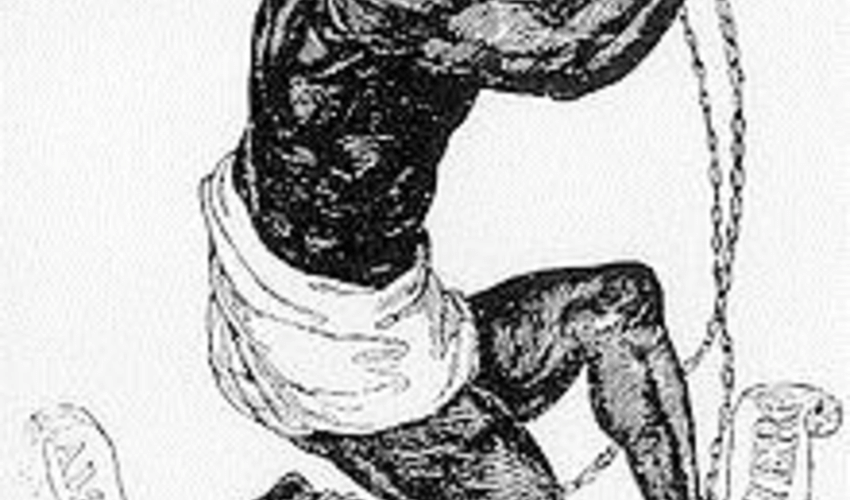
1840-1945, Black, Colonized, Consciousness Raising, Date, Subjectives of Refusal, Tactics of DisruptionWith the use of publications such as the Mirror of Liberty, authors such as John G. Whittier were able to advance their radical abolitionist agenda. In this poem, titled Our Countrymen in Chains, Whittier used abrasive language and vivid verbal imagery to attempt to describe the plight of the enslaved man. Often coupled with this work is the “Am I Not a Man and a Brother?” image (as it is here) and is truly an example of disruptive moral propaganda. While many works such as this were designed to incite direct violent action against the supporters of the slave industry, Whittier decides to make the ever-difficult appeal of emotion to stir disruptive tendencies. His call to “scatter the living coals of truth” throughout the heart of the nation offers the clearest insight into his disruptive agenda.
And shall we scoff at Europe’s kings, when Freedom’s fire is dim with us, and round our country’s altar clings the damning shade of Slavery’s curse?
David Walker’s “Appeal to the Colored Citizens of the World” (1829)
1700-1830s, Black, Defining the Enemy, Subjectives of Refusal, Uncategorized, White SupremacyDavid Walker was born a free man in North Carolina on September 28, 1976. He later moved to Boston, where he began writing for the nation’s first African American newspaper. In 1829, while working with this newspaper, he published this Appeal to the Colored Citizens of the World. This appeal was a collection of essays that focused on appealing to the nation’s civic duty, what he believed was an inherent sense of Christianity, and finally, a sense of early black nationalism. While this pamphlet has a unique take on disruption for its use of Christian morals as a call to action, it was effective in its coupling with calls for radical abolitionism and critiques of the founding tenets and members of our nation, such as Thomas Jefferson and the Declaration of Independence.
The whites have always been an unjust, jealous, unmerciful, avaricious and blood-thirsty set of beings, always seeking after power and authority.