Loomba’s essay traces how the sati-widow has been represented from the colonial period through postcolonial debates. Sati is a historical Hindu practice in which a widow is burned alive on her deceased husband’s funeral pyre, either voluntarily or by coercion. Loomba explains how the very societal systems that have attempted to define her—colonial, patriarchal, nationalist, and feminist—are disrupted by the sati-widow figure. Each of these systems relied on the widow as a symbolic figure, but simultaneously erased her subjectivity. This erasure forces a rethinking of these prevailing narratives, proving the instability of the social, cultural, and epistemic frameworks that sought to confine her.
Subjectives of Refusal
This category describes social struggles of previous ascription by social kind, and redefinition on new terms.
Surrounding the Spanish Parliament: Occupy Congress & The M15 Movements
2011-Present, Authority, Blockade/Barricade, Defining the Enemy, Disruptive Spaces, Institutions, Occupation, Subjectives of Refusal, Tactics of Disruption, The Workplace, Uncategorized, Urban Spaces, Workers
The Occupy movements in Spain escalated quickly due to the deep economic crisis the country faced. protestors physically surrounded the national parliament, confronting the government about the widening gap between the general population of Spanish citizens and the elected officials in Congress. This occupation was incredibly disruptive as it halted the normal flow of political life and forced politicians to acknowledge and visibly see the public withdrawing their trust and faith. Over 1,400 police officers quickly became involved, and the scene escalated with dozens of arrests, rubber bullets, and baton charges, intensifying the situation drastically. Protestors in this occupation were charged with treason and crimes against the nation, even though they were surrounding rather than occupying the government offices. Protesters were organized by M15, which was incredibly efficient and effective at organizing creative protests and demonstrations within banks and parliament. In this video, Maria Carrion reports live from Madrid on the increased anger of Spaniards as they’re driven to hunger and poverty due to the bank repossessing their homes, while the tenants still have to pay the debt, while homeless. These protestors disrupted the political order of the nation and exposed the crisis and tension between the public and the austerity-driven state.
Occupation of St. Paul’s Cathedral (London)
2011-Present, Blockade/Barricade, Disruptive Spaces, Institutions, Occupation, Subjectives of Refusal, Tactics of Disruption, Urban Spaces, Workers
“Mr. Cottam said that incidents of urination and defecation on the land outside the cathedral had continued. This was harmful to the life of the cathedral. Employees were now often engaged in cleaning up after these incidents, which, said Mr. Cottam, are “detrimental to the operation of the cathedral as a place of worship…” Graffiti was still appearing on the cathedral. Disruption to services was also continuing.”
Mr. Justice Lindblom
The Occupy encampment at St. Paul’s Cathedral in London was immensely disruptive. The camps and people involved transformed this religious & public gathering place into grounds for protest, disrupting the daily lives of those attending worship, tourists, employees, and pedestrians. The camp created significant issues with noise, sanitation, and safety. Many problems arose from urination and defecation on and around the cathedral, as well as many noise complaints from persistent noise–disrupting religious services and daily operations. The conditions here damaged the calm historic setting of the cathedral and discouraged visitors and religious people from entering, causing a notable drop in attendance and revenue for St. Paul’s.
The Zapatista Women’s Revolutionary Law (1994)
1990-2010, Date, Defining the Enemy, Indigenous, Patriarchy, Subjectives of Refusal, WomenThe Zapatista Women’s Revolutionary Law establishes women’s rights within the context of the Zapatista armed indigenous uprising. It guarantees women the right to participate in the revolutionary struggle, access work with equal pay, exercise reproductive autonomy, participate in community decision-making, and receive equal social rights. The law frames women’s liberation as inseparable from broader social and indigenous resistance, linking gender equality directly to the fight against oppression.
Manifesto of Female Revolt (Rivolta Femminile) (1970)
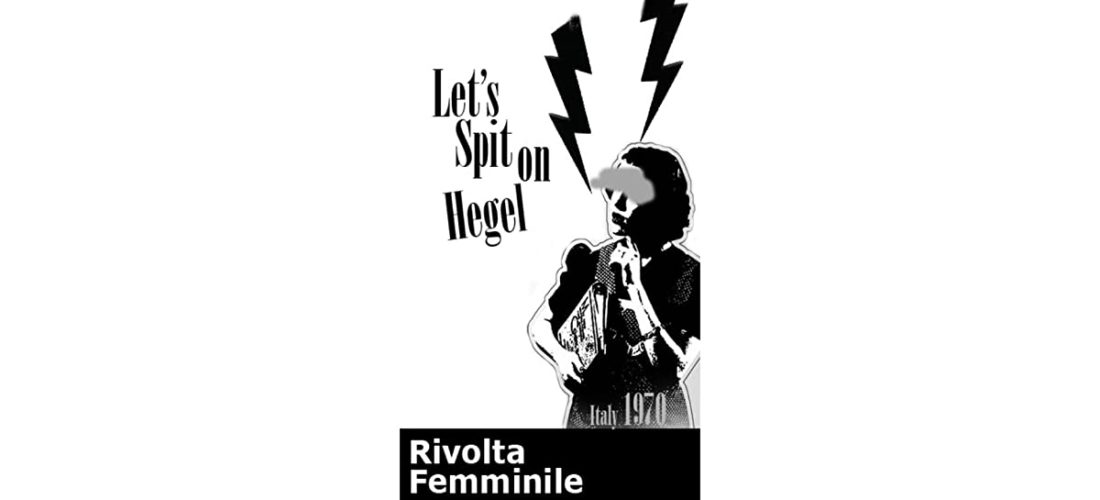
1946-1989, Defining the Enemy, Patriarchy, Subjectives of Refusal, WomenThe Manifesto of Rivolta Femminile disrupted societal norms in Italy by openly rejecting the foundations of the country’s patriarchal social order during a time when rigid gender roles remained largely unquestioned. It describes marriage, motherhood, and women’s unpaid domestic labor as instruments used to suppress women. The manifesto challenges not only the domestic sphere but also the moral authority of the Church and the political agenda of the male-dominated Left, including Marxist ideals, and it calls for the dismantling of established political movements that had previously expected feminist demands to be absorbed into broader class-based struggles.
“Liberation for woman does not mean accepting the life man leads, because it is unlivable; on the contrary, it means expressing her own sense of existence.”
Darkness Before Dawn: Occupy Movements of Bahrain
1990-2010, Authority, Defining the Enemy, Disruptive Spaces, Occupation, Subjectives of Refusal, Tactics of Disruption, Uncategorized, Urban Spaces, Workers
“Every minute of the day, I think about what I need to be doing next to sustain the battle to gain freedom, not just for my husband but for myself and for others. None of us are free. We have been living off the whim of an autocrat who decided our fate with a stroke of the pen.”
– Dr. Ala’a Shehabi
The uprisings in Bahrain were demonstrations that challenged the internal power of the nation as well as its external relations. People gathered in masses at the Pearl Roundabout, with many series of anti-government protests led mainly by the Shia and some Sunni Bahraini opposition. The Pearl Roundabout was initially a symbol of modernization as well as the formation of the GCC, Gulf Cooperation Council; however became more commonly associated with the 2011 democracy protests and was demolished soon after as an attempt to quell the movement as well as its significance. Similar to global Occupy movements, thousands of people occupied this space, showcasing collective resistance and disrupting daily life. The movement threatened the GCC’s commitment to preserving Bahrain’s rule by ordering Saudi Arabia and the United Arab Emirates to deploy troops over the border. In the end, this uprising not only disrupted the authoritarian rule of Bahrain but also the idea that the Arab Spring would not impact nations with substantial oil wealth in the Gulf.
Flaming Fury: Tunisian Occupy Movements
1990-2010, Alternative Spaces, Authority, Date, Defining the Enemy, Disruptive Spaces, Subjectives of Refusal, The Workplace, Uncategorized, Urban Spaces, Workers
“Within days of Bouazizi setting himself on fire, Tunisians began filling the streets of their cities with largely peaceful protests… this display of mass nonviolent action to effect rapid change would have been stunning anywhere, but was especially remarkable in a region that had grown notorious for its seeming inability to change peacefully, if at all.”
Jeffrey D. Sachs
Mohammad Bouazizi, setting himself on fire in Tunisia during the series of Occupy movements, was immensely disruptive. This act emphasized the need for drastic change, as this man was willing to sacrifice his life and body to disrupt the cycle that many had become complacent with. This action symbolized how deeply disenfranchised people were under Tunisia’s authoritarian rule, and that the people would no longer stand for this. His igniting exposed the brutality of the economic and political system that had become incredibly exclusive, often leaving behind the lower classes. The youth were angry- they were consistently repressed under their government, and desperately wanted new rules, yet their internet connections and communication with others about their widespread dissatisfaction yielded few results. Following Bouazizi’s decision to set himself on fire, protests ignited around police abuse, corruption, and high unemployment rates across the nation. Ultimately, this resulted in President Zine El Abidine Ben Ali fleeing the country less than a month later, opening space for new political leaders and freedoms and the establishment of a more open civil society through a newly constructed constitution. This act also sparked the Arab Spring- uprisings in Syria, Bahrain, Libya, Egypt, and Yemen, demonstrating that this single act of disruption-when other methods are unheard, can transform political and economic landscapes, opening the conversation globally.
First International Conference of Socialist Women (1907) and Second International Conference of Socialist Women (1910)
1840-1945, Defining the Enemy, Patriarchy, Subjectives of Refusal, The Bourgeoisie, Women, WorkersThe First (1907) and Second (1910) International Conferences of Socialist Women manifestos directly challenged the political, economic, and gender structures that existed during these times. Instead of seeking incremental reforms or aligning with the ideals of mainstream middle-class feminism, they redefine women’s liberation as inseparable from a working-class revolution. They reject “bourgeois” feminist agendas that ignored the material realities of laboring women. They demanded universal suffrage as a tool of class struggle, declared capitalism to be the root of women’s exploitation, and insisted that women enter unions, strikes, and political organizations. These manifestos disrupted both traditional gender norms and the preexisting economic order. Their creation of international coordination further unsettles national boundaries and portrays women as a global political force. Through asserting that true emancipation requires fundamental restructuring of society, not mere reform, these documents articulate a bold and disruptive display of feminist politics that threatened the stability of existing power systems.
Hawon Jung’s Flowers of Fire (2023)
2011-Present, Defining the Enemy, Patriarchy, Subjectives of Refusal, WomenHawon Jung draws attention to the personal testimonies and protests that have unfolded in South Korea as a result of persistent gender-based violence. She shows how women’s collective voices have shattered long-standing norms of silence and obedience deeply rooted in the country’s entrenched patriarchy. This activism has challenged not only individuals but also the institutions that have historically protected male authority. The women who participate in this resistance disrupt generational continuity, redefining womanhood in ways that no longer revolve solely around family life and men.
“Wake up! Your Miss Saigon was dead and gone a long time ago. She’s not here anymore.”
Occupy Egypt: From Cairo to Wall Street
2011-Present, Authority, Defining the Enemy, Disruptive Spaces, Institutions, Occupation, Subjectives of Refusal, Tactics of Disruption, The Workplace, Uncategorized, Urban Spaces, Workers
“The balance tipped. Going down to protest became acceptable Before then, people like members of my family would have said, ‘No way, how could you protest? It is not something people like us do.’ Then it became normal to protest. It became something we could do.”
Jawad Nabulsi
Jawad Nabulsi tells his personal experience of the Occupy movements in Egypt, taking place in Tahrir Square. Nabulsi’s narrative is particularly impactful as he was from a fairly wealthy family, and he recounts times where he was privileged enough to not follow certain procedures, like taking his driver’s license test, because his family had connections everywhere. He frames himself as well as his brother as people who did not need to partake in the movement, but were capable of doing so to benefit others. The tactics of “occupation” challenged the normal flow of everyday life and infrastructure, through taking over public space like Tahrir Square, a major public square in the heart of downtown Cairo, Egypt. The occupation undermined the regimes claim to order and complacency, especially when large numbers of people camped in central Cairo. The tactics of occupation allowed a wide cross-section of society from students, workers, unemployed graduates, young women—to participate, not just in short demonstrations but in extended presence. This broadened social disruption. The disruption can also be seen through Nabilsis personal story as he took part in the occupations regardless of the fact that his family was very well off, showcasing a reframing of whos involved, demonstrating the strong desire for change, even from those benefitting from this system. The tactics of occupation in Cairo were highly disruptive: they rewrote the rules of protest, challenged the state’s control of space, mobilised and organized large groups of society, and created a model for global protest movements.
Resistance Through No Sex: The 4B Movement in South Korea
2011-Present, Defining the Enemy, Patriarchy, Subjectives of Refusal, Uncategorized, WomenWomen in South Korea have continuously been treated as inferior under a deeply ingrained patriarchal system. In 2016, after a young woman was murdered in a misogynistic hate crime, the country reacted with outrage over the poor handling of her case. Misogynistic crimes like this, combined with systemic gender inequality and intense societal pressures, helped spark a collective rejection of men and patriarchal norms. Although often described as a “sex strike,” that is not the sole purpose of the 4B movement. Women in South Korea also place greater emphasis on engaging with and supporting one another rather than conforming to traditional relationships with men.
”The 4B thing is a very Korean, feministic lifestyle, and it is irreversible. We cannot be taken back again!”
Life Without Men: The 4B Movement
2011-Present, Defining the Enemy, Patriarchy, Subjectives of Refusal, Uncategorized, WomenAfter a history of oppression, rigid gender roles, pervasive misogyny, and gendered violence, many South Korean women have collectively decided to reject traditional patriarchal structures. These women follow the principles of the “4Bs”: bihon (no marriage), bichulsan (no childbirth), biyeonae (no dating men), and bisekseu (no sex with men). Through these rejections, they are not only resisting gender discrimination but also destabilizing societal expectations—with no clear desire to return to traditional roles, even in the aftermath of mass protests. This social disruption has begun to expand westward, reaching beyond Korea’s borders.
Valerie Solanas’s S.C.U.M. Manifesto (1967)
1946-1989, Date, Defining the Enemy, Patriarchy, Subjectives of Refusal, WomenThe S.C.U.M. Manifesto is an account of Valerie Solanas’s radical feminist views. She argues that men are incomplete women who spend their lives attempting to become female. Through this pursuit, men have corrupted the world by forming harmful systems that give them a false sense of purpose. To relieve society of this corruption, women must recognize the damage caused by men and tear apart the systems that are ruining the nation. Ultimately, Solanas advocates the eradication of men.
“To be male is to be deficient, emotionally limited; maleness is a deficiency disease and males are emotional cripples.”
SCUM Manifesto (1967)
1946-1989, Date, Defining the Enemy, Disruptive Spaces, Patriarchy, Self Institution, Subjectives of Refusal, Tactics of Disruption, The Workplace, Women, Workers“So he… proceeds to define everyone in terms of his or her function or use, assigning himself, of course the most important functions-doctor, president, scientist- therefore providing himself with an identity, if not individuality, and tries to convince himself and women that the female function is to bear and raise children and to relax, comfort and boost the ego of the male”
Valerie Solanas
Valerie Solanas publishes the SCUM (Society for Cutting Up Men) Manifesto in 1967, with the intent to describe the flaws of men and the society they’ve established. Men are described as egocentric, sexually driven animals who are incapable of mental interaction and are far inferior to women in all aspects. The manifesto uses sexual and vulgar language to describe men’s (lack of) purpose and how unfit and incompetent they are in filling all duties and roles in society. It is described that men created a society that functions through a work-money system, made to give men a sense of individuality, (doctor, president or scientist), to give them some sort of false value or identity to boost their ego. As the thesis of the SCUM Manifesto is to rebuild society without men, Solanas describes men as only being useful to reproduce, but with the existence of sperm banks, the existence of men is no longer necessary.
SCUM MANIFESTO (1967)
1946-1989, Defining the Enemy, Disruptive Spaces, Patriarchy, Self Institution, Subjectives of Refusal, Tactics of Disruption, The Workplace, Uncategorized, Women“SCUM is against the entire system, the very idea of law and government. SCUM is out to destroy the system, not attain certain rights within it.”
Valerie Solanas
Valerie Solanas, an American radical feminist, published The SCUM Manifesto in 1967, advocating for the dismantling of patriarchal structures established by men and the creation of a female-led society. Solanas critiques male dominance and systemic gender inequality, arguing that these societal flaws stem from male control. The manifesto calls upon “thrill-seeking females to overthrow the government, eliminate the money system, institute complete automation, and destroy the male sex,” framing men as the root of societal instability and inefficiency, justifying the radical restructuring of society in favor of women, by women.
BUT WE HAVE TO, SO WE DO IT REAL SLOW – Noche (2016)
2011-Present, Authority, Date, Defining the Enemy, Disruptive Spaces, Privatization, Sabotage/Ecotage, Subjectives of Refusal, Tactics of Disruption, The Bourgeoisie, The Workplace, WorkersThis collection of texts primarily features an essay titled “BUT WE HAVE TO, SO WE DO IT REAL SLOW” by Noche, which explores the concept of anti-work within the context of Mexican and Mexican-American identity in the United States. The author challenges the prevailing pro-work sentiment, even within radical circles, arguing that elements of labor refusal and resistance are already present in Mexican-American culture, often in subtle or playful forms. The essay contrasts the traditional labor movement’s focus on better working conditions with a call for the abolition of work itself, linking this idea to historical anti-work movements and the critique of capitalism. Noche suggests that everyday acts of slacking, stealing, and working slowly can be seen as forms of resistance, and ultimately advocates for a world free from the constraints of wage labor, the state, and capitalist structures.
Revolution: Program or Communization? – Agitations (n.d.)
Authority, Defining the Enemy, Disruptive Spaces, Privatization, Self Institution, Subjectives of Refusal, Subjects Redefined, Tactics of Disruption, The Bourgeoisie, The Workplace, WorkersThis translated text explores the concept of “communization” as a revolutionary strategy, contrasting it with what it labels “programmatism,” the earlier 20th-century approach focused on the proletariat seizing state power. The source argues that programmatism, which aimed to manage the means of production, ultimately failed because it did not challenge the core of capitalist exploitation: the law of value and commodity production. Instead, communization proposes the immediate abolition of capitalist categories like value, wage labor, and social divisions through the self-negation of the proletariat. The authors suggest that the failure of past revolutionary attempts and the restructuring of capitalism in the 1970s necessitate this new approach, one that emphasizes practical, non-commodified actions over predetermined programs or theories.
Mothering Against Motherhood: doula work, xenohospitality and the idea of the comrade – Sophie Lewis (2022)
2011-Present, Authority, Date, Defining the Enemy, Disruptive Spaces, Imperialism, Patriarchy, Self Institution, Subjectives of Refusal, Subjects Redefined, Tactics of Disruption, The Home, White Supremacy, WomenThis essay, titled “Mothering Against Motherhood: doula work, xenohospitality and the idea of the momrade” by Sophie Lewis, explores the concept of “mothering against motherhood” and “family abolition.” She argues for a communist horizon where care work is collectivized and relationships are based on chosen solidarity rather than biological ties, challenging the capitalist and patriarchal norms embedded in the traditional family.
Be Gay Do Crime – Mary Nardini Gang (2019)
2011-Present, Authority, Blockade/Barricade, Consciousness Raising, Date, Defining the Enemy, Disruptive Spaces, Infrastructure/Data, Institutions, Occupation, Queer, Sabotage/Ecotage, Subjectives of Refusal, Tactics of Disruption, The 'Natural World', The Bourgeoisie, The Home, The Workplace, Urban Spaces, White SupremacyThis excerpt, from the introduction of a book titled “Be Gay Do Crime” by Mary Nardini Gang, reflects on ten years of queer, anarchist, criminal, and mystical resistance. It details the origins of their movement in Milwaukee’s Riverwest neighborhood, inspired by insurrections elsewhere and a commitment to a “criminal queer association.” The text emphasizes living a life outside societal norms, viewing normalcy as an enemy, and engaging in direct actions ranging from looting and blockades to caring for comrades and practicing various forms of magic and healing.
16 Things You Can Do to Be Ungovernable – Indigenous Action Media (2020)
2011-Present, Authority, Date, Defining the Enemy, Indigenous, Self Institution, Subjectives of Refusal, Tactics of DisruptionThis excerpt, published shortly after the 2020 U.S. Presidential election, presents a perspective rejecting both major political parties, arguing that neither offers genuine liberation from colonial oppression. Instead of relying on electoral politics, the text proposes a path towards being “ungovernable” through direct action and building alternative community structures. It outlines sixteen specific actions individuals and groups can take, such as forming affinity groups, developing practical skills, practicing mutual aid and defense, and challenging oppressive systems like capitalism, white supremacy, and patriarchy. Ultimately, the document advocates for building autonomous organizing and resisting colonial authority on stolen land.
Rethinking the Apocalypse: An Indigenous Anti-Futurist Manifesto (n.d.)
Defining the Enemy, Disruptive Spaces, Imperialism, Indigenous, Infrastructure/Data, Sabotage/Ecotage, Subjectives of Refusal, Tactics of Disruption, The BourgeoisieThe source presents a powerful critique of the colonial and capitalist systems, arguing they represent an ongoing, destructive “apocalypse” built on violence, exploitation, and the suppression of Indigenous ways of being. It contrasts this linear, destructive trajectory with an Indigenous perspective of time and existence that is cyclical and rooted in ancestral knowledge and connection to the Earth. The text rejects the notion of seeking solutions within the existing colonial framework, instead calling for a return to ceremony, collective dreaming, and disruptive action as forms of resistance and liberation. Ultimately, it posits that the survival and flourishing of Indigenous worlds are contingent upon the dismantling of the colonial “dead world.”
You Cannot Profit off Our People’s Blood and Think Students Will Not Come for Your Money – Hammer & Hope (2024)
2011-Present, Authority, Date, Defining the Enemy, Disruptive Spaces, Imperialism, Institutions, Occupation, Students, Subjectives of Refusal, Tactics of DisruptionThis source presents conversations with five college student groups actively organizing for Palestine solidarity at various universities in the United States. The students discuss their strategies and tactics for raising awareness and demanding institutional change, including protests, sit-ins, teach-ins, and divestment campaigns. They focus on disrupting the flow of capital tied to what they perceive as Israeli occupation.
Statement on Palestine and Student Protests – University of Maryland, Baltimore Macro Student Union of the School of Social Work (2024)
2011-Present, Authority, Date, Defining the Enemy, Disruptive Spaces, Imperialism, Institutions, Students, Subjectives of RefusalThis statement from the SSW Macro Student Union critiques the University of Maryland Baltimore and its School of Social Work for their handling of the genocide in Palestine, arguing that the institutions prioritize profit over student well-being and uphold oppressive power structures. The student union emphasizes that social work ethics necessitate advocating for Palestinian liberation and demands that the university disclose and divest from companies contributing to the genocide, issue a statement acknowledging the genocide and scholasticide, reconsider their commencement speaker choice due to his pro-Israel stance, among other demands. The statement concludes by aligning their efforts with historical student movements advocating for social change and commemorating the 76th anniversary of al-Nakba.
Open Letter – Columbia Students for Justice in Palestine and Columbia Jewish Voice for Peace (2023)
2011-Present, Authority, Date, Defining the Enemy, Disruptive Spaces, Imperialism, Institutions, Students, Subjectives of RefusalThis document is an open letter authored by Columbia Students for Justice in Palestine and Columbia Jewish Voice for Peace condemning Israel’s actions as settler-colonialism and apartheid, while expressing solidarity with Palestinian resistance. The authors criticize Columbia University’s administration for biased communications that favor Israel and disregard Palestinian suffering, and for its continued financial ties to companies profiting from the occupation. They demand the university acknowledge Palestinian humanity, divest from implicated companies, and end academic programs and partnerships that they argue normalize apartheid. The letter concludes with a call for student action and protest to pressure the administration and achieve justice for Palestinians.
Prisoners in Revolution – Roger Boberg, Jaan Laaman, John Yancey, and Richard Williams (1975)
1946-1989, Authority, Date, Defining the Enemy, Disruptive Spaces, Imperialism, Institutions, Sabotage/Ecotage, Self Institution, Strike, Subjectives of Refusal, Subjects Redefined, Tactics of DisruptionThis statement, written by revolutionary prisoners at New Hampshire State Prison in 1975, serves as a response and further discussion of the Weather Underground’s “Prairie Fire”, aiming to provide a deeper examination of the experiences of prisoners and ex-prisoners. The statement argues the experiences of prisoners provide a unique perspective on the need for revolution against the capitalist system and the development of methods of control like behavior modification, stressing the importance of unity and solidarity within and outside of prison walls for the larger anti-imperialist movement. It contends that the prison movement is an integral part of the revolutionary struggle, showcasing how conditions of captivity, similar to wartime, expose the naked injustice and terror of American society and breed a determined, militant cutting edge for the overall People’s Struggle.
Black Politics: A Journal of Liberation (1968)
1946-1989, Black, Date, Defining the Enemy, Imperialism, Sabotage/Ecotage, Self Institution, Subjectives of Refusal, Tactics of Disruption, White SupremacyThis collection of excerpts from Black Politics: A Journal of Liberation (Vol. 1, 1968) offers insights into the Black Power movement during a pivotal year. The document covers a variety of topics, including discussions on political strategy, international relations, and resistance against oppression. It also contains information regarding the historical context of the movement, including its connections to other global liberation struggles, and details about weapons and self-defense, reflecting the urgency and intensity of the era.
In Defense of the Right to Political Secession for the Afro-American Nation: Papers and Resolutions from the School on the Afro-American National Question (1982)
1946-1989, Black, Date, Defining the Enemy, Self Institution, Subjectives of Refusal, Tactics of Disruption, White SupremacyThese excerpts primarily discuss the Marxist-Leninist perspective on the “Afro-American National Question,” arguing that Afro-Americans in the Black Belt region of the Southern U.S. constitute an oppressed nation with the right to self-determination, including the right to secede and form an independent state. In addition to promoting the right to political secession, the text champions the struggle against white chauvinism as another crucial element for a genuine proletarian revolution in the United States, asserting that this fight is essential for international proletarian solidarity.
A Conversation with Chandi Prasad Bhatt (2011)
1946-1989, Colonized, Date, Disruptive Spaces, Sabotage/Ecotage, Subjectives of Refusal, Tactics of Disruption, The 'Natural World'This interview explores Bhatt’s journey from a poverty-stricken childhood to his leadership in the Chipko Movement
Chandi Prasad Bhatt and the Chipko Movement
Chandi Prasad Bhatt was a leader of the Chipko Movement, where people in Uttarakhand hugged trees to stop them from being cut down. He believed in nonviolence and worked with local villagers, especially women, to protect forests. His goal was to save the environment and help people live better lives by taking care of nature.
Vimla Bahuguna on The Chipko Movement (2023)
1946-1989, Colonized, Date, Disruptive Spaces, Sabotage/Ecotage, Subjectives of Refusal, Tactics of Disruption, The 'Natural World', WomenThis interview with Vimla Bahuguna touches on the Chipko Movement in India and how ecofeminism came to be today
The Chipko Movement (1973)
Here’s a very short description of the Chipko Movement, based on the Article-14 piece:
The Chipko Movement, started in 1973 in India’s Uttarakhand region, was a nonviolent environmental movement where villagers and women hugged trees to stop deforestation. Led by Sunderlal and Vimla Bahuguna, it grew into a symbol of grassroots resistance against ecological destruction and emphasized the idea that protecting forests is essential for sustainable living.
The Written Resistance #6 – National Students for Justice in Palestine (2025)
2011-Present, Consciousness Raising, Date, Defining the Enemy, Disruptive Spaces, Imperialism, Institutions, Occupation, Students, Subjectives of Refusal, Tactics of DisruptionThis is the sixth edition of the newsletter written by a compilation of individual authors and published by the National Students for Justice in Palestine. The authors analyze the historical context of the movement, discuss internal challenges like unifying various factions, and examine the broader global forces at play, including US imperialism and the capitalist system. Several pieces explore how different fields, such as medicine, and various locations, like Oklahoma, connect to and are impacted by this struggle. Furthermore, the texts advocate for continued resistance, emphasizing strategies like grassroots organizing, confronting corporate complicity in the oppression of Palestinians, and fostering solidarity across different communities and movements to achieve lasting liberation.
DEFENDING THE CAMP (2024)
2011-Present, Blockade/Barricade, Date, Defining the Enemy, Disruptive Spaces, Imperialism, Institutions, Occupation, Students, Subjectives of Refusal, Tactics of DisruptionThis document, “DEFENDING THE CAMP,” published by CrimethInc., is a report from participants in the Gaza solidarity encampment at the University of Illinois Urbana-Champaign. It recounts the initial days of the protest, detailing the students’ efforts to establish and maintain their encampment in the face of police intervention and university opposition.
Manifesto of the German Anti-Parliamentarians to the Proletariat of the World – Communist Workers Party of Germany (KAPD) (1921)
1840-1945, Date, Defining the Enemy, Disruptive Spaces, Subjectives of Refusal, The Bourgeoisie, The Workplace, WorkersThis document is a manifesto from the Communist Workers Party of Germany (KAPD), outlining its opposition to the tactics of the Third International and the Unified Communist Party of Germany (VKPD). They argue that Western Europe’s distinct economic and class conditions necessitate a different revolutionary path focused on independent proletarian action, the abolition of parliamentarism, and the destruction of traditional trade unions. The KAPD emphasizes the need for tactics that liberate the spirit of the proletariat and establish parties composed solely of committed communists.
Ned Lud’s Proclamation (1811)
1700-1830s, Date, Defining the Enemy, Disruptive Spaces, Sabotage/Ecotage, Subjectives of Refusal, Tactics of Disruption, The Bourgeoisie, The Workplace, WorkersThis is a proclamation by Ned Lud, the legendary leader of the Luddites—an early 19th-century movement of English textile workers who protested against the introduction of mechanized looms and knitting frames, fearing these innovations would threaten their livelihoods. The Luddites engaged in direct actions such as destroying machinery and factories, as well as organizing riots and letter-writing campaigns. In this proclamation, Lud issues a death threat to anyone who informs the authorities about the ‘frame-breaking’ activities carried out by the Luddites, who were fighting against the rise of labor-saving technologies.

We Demand – Vietnam War
1946-1989, Authority, Consciousness Raising, Date, Defining the Enemy, Disruptive Spaces, Institutions, Students, Subjectives of Refusal, Tactics of DisruptionStudents demand the US Government end the systemic oppression of political dissidents and release all political prisoners, stop the escalation, end the war in Vietnam, and withdraw forces from Southeast Asia.
No More Miss America (1968)
1946-1989, Date, Defining the Enemy, Patriarchy, Sabotage/Ecotage, Subjectives of Refusal, Tactics of Disruption, WomenOn September 7, 1968, a coalition of women’s liberation groups planned various demonstrations against the annual Miss America Pageant in Atlantic City. These demonstrations aimed to challenge the pageant’s objectification of women through beauty standards, its historical exclusion of women of color, and its role as a symbol of militarism and consumerism. Some direct actions discussed in the source included picket lines, guerrilla theater, and a symbolic “Freedom Trash Can” to discard items representing restrictive feminine ideals, culminating in a boycott of pageant-related products and a rally. The source also contains a ten-point protest statement, outlining the group’s grievances against the Miss America pageant and its effects.
Women’s Day Off – Executive Committee for Women’s Day Off (1975)
1946-1989, Date, Defining the Enemy, Disruptive Spaces, Patriarchy, Strike, Subjectives of Refusal, Tactics of Disruption, The Home, The Workplace, WomenOn October 24, 1975, ignited by the activism of the Red Stockings radical women’s group, 90% of Iceland’s women went on strike to protest the exploitation of women’s unpaid labor at home and their underpaid, undervalued labor outside the home. The Committee for Women’s Day Off was founded in June 1975 to organize this action. This flyer, issued by the Executive Committee for Women’s Day Off, includes a call to action and outlines the reasons why the strike was essential.

The Written Resistance #5 – National Students for Justice in Palestine (2024)
2011-Present, Authority, Blockade/Barricade, Date, Defining the Enemy, Disruptive Spaces, Imperialism, Institutions, Occupation, Sabotage/Ecotage, Students, Subjectives of Refusal, Tactics of DisruptionThis is the fifth edition of the newsletter written by a compilation of individual authors and published by the National Students for Justice in Palestine. The edition offers perspectives and reflections on the tactics and lessons learned from both historical and contemporary struggles against oppression and imperialism. It draws parallels between past movements, such as the Black Panther Party and Students for a Democratic Society, and current activism, including that of the Students for Justice in Palestine organization. The texts also critique the role of universities in perpetuating existing power structures, particularly through their focus on STEM fields and financial interests. Ultimately, the authors call for continued solidarity and resistance against injustice, stressing the importance of learning from past struggles to chart a path toward liberation.
The Written Resistance #4 – National Students for Justice in Palestine (2024)
2011-Present, Authority, Blockade/Barricade, Date, Defining the Enemy, Disruptive Spaces, Imperialism, Institutions, Occupation, Students, Subjectives of Refusal, Tactics of Disruption, UncategorizedThis is the fourth edition of the newsletter written by a compilation of individual authors and published by the National Students for Justice in Palestine. The edition features a range of articles documenting student activism across several universities, including Columbia, the University of North Carolina at Chapel Hill, Waterloo, Birzeit University, the American University of Beirut, and the University of Texas at Dallas. These articles explore student strategies, challenges with university administrations, and their connections to the military-industrial complex. The publication emphasizes the reclamation of political space and the forging of decolonized solidarity in a unified struggle against oppression.
Interview from “Confessions of the Guerrilla Girls” (1995)
1990-2010, Date, Defining the Enemy, Disruptive Spaces, Institutions, Patriarchy, Subjectives of Refusal, WomenThe Guerrilla Girls are an anonymous group of feminist artists and activists who formed in 1985 to combat sexism and racism within the art world. This source is an interview with the Guerrilla Girls, taken from their 1995 book, Confessions of the Guerrilla Girls. In the interview, the group discusses their origins, tactics, impact, view on the art world, and future plans.
Guerrilla Girls on the Art of Creative Complaining (2018)
2011-Present, Date, Defining the Enemy, Disruptive Spaces, Institutions, Patriarchy, Subjectives of Refusal, WomenThe Guerrilla Girls are an anonymous collective of feminist artists who combat sexism and racism within the art world. Founded in 1985, the group uses culture-jamming tactics and mass media to expose discrimination. This document is an interview with Frida Khalo, a founding member of the Guerrilla Girls collective. Khalo describes the various ways in which the Guerrilla Girls engage in resistance through creative activism, using provocative art and statistics to challenge discrimination and corruption in the art world.
Violence and Class Consciousness in Revolutionary Struggle – L’Ouvrier Communiste (1930)
1840-1945, Consciousness Raising, Date, Defining the Enemy, Subjectives of Refusal, Tactics of Disruption, The Bourgeoisie, WorkersThis document, written in 1930 by L’Ouvrier Communiste, a French political publication linked to the communist movement of the early 20th century, examines the relationship between violence and the development of class consciousness within the proletariat. It posits that class consciousness arises from the lived experiences of struggle and confrontation with capitalist forces. It asserts that violence is a necessary element for the proletariat to overcome hesitations, advance to a higher level of consciousness, foster class unity, and challenge the bourgeoisie.
Demonstrate Oct. 31: Leavenworth Prison – San Patricio Corps Solidarity Organization (n.d.)
Colonized, Defining the Enemy, Disruptive Spaces, Imperialism, Institutions, Latino, Subjectives of RefusalThis flyer is a political statement aimed at generating support for Puerto Rican independence and the release of imprisoned activists. The poster seeks to rally communities, specifically those in New York and Chicago, to demonstrate against the incarceration of three independence leaders. Through this document, the San Patricio Corps Solidarity Organization calls on White people to participate alongside the independence movement to help defeat US imperialism and win a society free of oppression. Visual elements include an image of a hand holding a gun, draped in a Puerto Rican flag, alongside an obscured picture of the prison.
Speech by Guillermo Suarez at an Anti-Klan Conference (1981)
1946-1989, Colonized, Date, Defining the Enemy, Imperialism, Latino, Subjectives of Refusal, White SupremacyThis is a transcript of a speech by Guillermo Suarez, a member of the Movimiento de Liberacion Nacional, a national Puerto Rican and Chicano/Mexicano organization. In his 1981 address, Suarez highlighted the need to resist white supremacy and U.S. imperialism, particularly in the occupied territories of the Southwestern United States. Direct actions and resistance mentioned include armed struggle and challenging the Klan, drawing inspiration from the Puerto Rican independence movement and historical figures who fought against oppression. The call to action emphasizes supporting prisoners of war, refusing to accept the status quo, advocating for the socialist reunification of Mexico, and for white North Americans to stand against white supremacy and acknowledge the right of colonized people to fight for their liberation.
Outlaws of Amerika – Vietnam War
1946-1989, Defining the Enemy, Imperialism, Sabotage/Ecotage, Subjectives of Refusal, Tactics of Disruption, WomenThe Weather Underground group discusses the bombing at Harvard’s Center for International Affairs in October 1970 in this communique
Outlaws of Amerika
The Weather Underground strongly opposed the Vietnam War, seeing it as a form of U.S. imperialism. They believed that traditional protests, like marches and sit-ins, weren’t enough to stop the war, so they turned to more extreme measures. Instead of just speaking out, they took direct action, attacking institutions they felt were fueling the war, such as Harvard’s Center for International Affairs. They also supported Vietnam and saw their fight as part of a bigger movement against oppression worldwide. Rejecting nonviolence, they encouraged sabotage and attacks on government buildings to disrupt the war effort. Their approach marked a shift from peaceful demonstrations to active resistance, believing that real change required revolution within the U.S. itself.
Women! Join Our Celebration of Independence – Bread and Roses (n.d.)
Defining the Enemy, Patriarchy, Privatization, Subjectives of Refusal, WomenThis document is a call to action, urging women to join a movement led by Bread and Roses, a socialist women’s liberation group, on International Women’s Day in Boston, Massachusetts. The flyer presents a declaration of women’s independence, advocating for self-determination in key areas such as the economy, family, bodily autonomy, and education, while demanding equal rights and an end to various forms of discrimination and oppression. It also outlines a list of demands, including access to free medical care, like abortion and birth control, economic equality, the elimination of degrading portrayals of women in schools and media, and the establishment of free, community-controlled childcare centers.
W.A.S.P Manifesto – Women Armed for Self-Protection (1974)
1946-1989, Date, Defining the Enemy, Patriarchy, Sabotage/Ecotage, Subjectives of Refusal, Subjects Redefined, Tactics of Disruption, WomenFounded in 1974 in Dallas, Texas, Women Armed for Self-Protection (W.A.S.P.) was created in response to the increasing incidents of rape and the societal attitudes that enabled such violence. In their 1974 manifesto, the organization voiced strong condemnation of the legal system, cultural norms, and the tendency to blame victims, which allowed the crime of rape to perpetuate and remain under-prosecuted. W.A.S.P. advocated for women to incorporate self-defense into their lifestyles and supported those who took aggressive retaliation actions against rapists. To achieve this, the organization aimed to train women in weaponry and promote the sharing of self-defense knowledge and experiences.
Herstory Monologues – Women Against Imperialism (1990)
1990-2010, Date, Defining the Enemy, Imperialism, Occupation, Patriarchy, Sabotage/Ecotage, Strike, Subjectives of Refusal, Tactics of Disruption, The Bourgeoisie, WomenThis 1990 performance piece, “herstory,” amplifies the voices of diverse women confronting oppression while celebrating resistance. Personal anecdotes are intertwined with political demands, highlighting the interconnectedness of individual experiences and larger social justice movements. The piece explores various forms of direct action, from smashing scales to challenge patriarchal beauty standards, to organizing against unjust working conditions. It also touches on defending abortion clinics, marching for women’s rights, and advocating for the dismantling of the U.S. military.
“Dozens of women who stumbled by the rally lined up to take a turn with the sledge hammer to obliterate this hated symbol of women’s oppression and smash the scales!”
Political Prisoners and Lesbian Resistance – Jennie McKnight (1989)
1946-1989, Authority, Date, Defining the Enemy, Disruptive Spaces, Infrastructure/Data, Institutions, Patriarchy, Queer, Sabotage/Ecotage, Subjectives of Refusal, Tactics of Disruption, White Supremacy, WomenThis 1989 interview from Gay Community News features political activists Linda Evans, Laura Whitehorn, and Susan Rosenberg, who were imprisoned for aiding and abetting the bombing of military and government facilities. In the interview, they share their experiences as activists, their lesbian identities, and their time in prison. They advocate for various direct actions, including demonstrations, militant AIDS activism, and collective resistance to injustices they viewed as immoral and illegal, such as racism.
“One of my favorite slogans is “Build to Win,” which is a slogan from the Black Liberation Army. They have always had a perspective that really is about victory. It’s really important that the gay liberation movement has taken that on in such a serious way – that winning is what we really want to do, not just make a protest or make reforms.”
“Resistance is not a crime.”
We Still Ain’t Satisfied! – Women Against Imperialism (n.d.)
Defining the Enemy, Imperialism, Patriarchy, Subjectives of Refusal, WomenThis document is a powerful declaration addressing the numerous injustices and hardships faced by women. It condemns gender-based violence, racial discrimination, and the absence of sufficient support systems. The statement critiques government policies and societal views on reproductive rights, healthcare, education, and the treatment of marginalized communities. It also emphasizes the struggles women face in asserting their sexuality and advocating for their freedom. At its core, the document expresses dissatisfaction and a call for continued action.
Women Deface the Presidio Army Base – Women Against Imperialism (n.d.)
Defining the Enemy, Disruptive Spaces, Imperialism, Institutions, Occupation, Sabotage/Ecotage, Subjectives of Refusal, Tactics of Disruption, WomenOn International Women’s Day, between 150 and 200 women occupied the exterior of the Presidio Army Base in San Francisco. The event, coordinated by Women Against Imperialism, sought to criticize U.S. militarism and imperialism. The demonstrators marked buildings with blood, removed the American flag, and displayed signs and puppets to express their opposition to the base’s involvement in colonization, war, and oppression. They showed support for global women’s movements and called for an end to U.S. intervention in Central America, as well as violence against women.