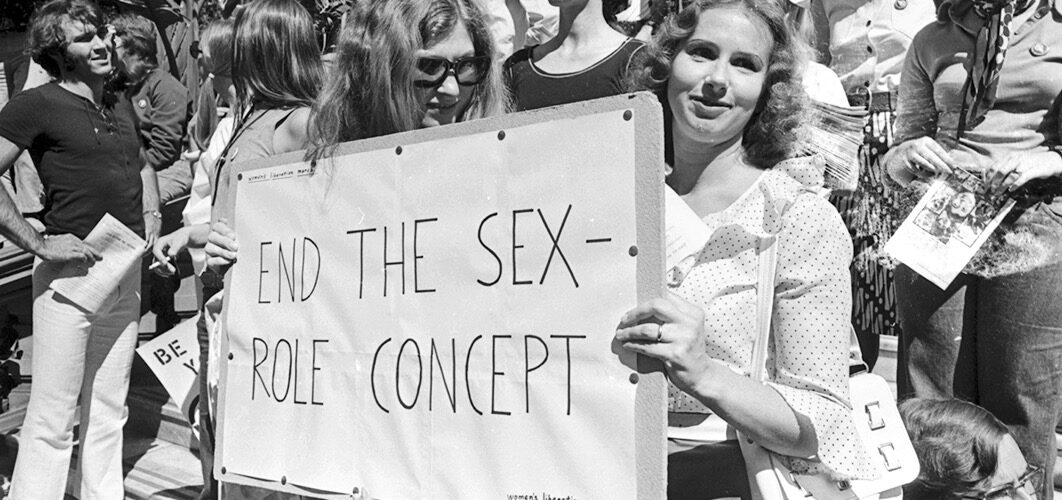
This chapter rejects both traditional sexual repression and uncritical models of sexual “liberation.” This idea disrupts the assumption that sexuality should conform to male-centered standards of dominance, availability, and compulsory heterosexuality. This shift in ideology threatens social stability because it questions long-standing beliefs that women’s bodies exist for male access, that sexual activity is a social obligation, and that heterosexuality is the natural/superior norm. hooks shows that confronting sexual oppression also exposes divisions within feminism itself, particularly when rigid ideas about “politically correct” sexuality alienate large numbers of women. Ultimately, the movement’s power lies in its insistence on redefining sexuality as a site of choice, autonomy, and mutual respect, rather than coercion—an approach that challenges cultural, institutional, and interpersonal systems built on sexual control and inequality.
America
Fadwa El Guindi’s “Veiling Resistance” (1999)
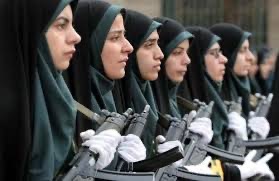
1990-2010, Colonized, Date, Subjectives of Refusal, WomenEl Guindi argues that contemporary veiling is not simply a result of patriarchal structures, but a conscious rejection of Western ideologies and colonial legacies. Historically, veiling has signified honor, status, and social identity, resisting Western narratives that depict the practice as strictly oppressive. Western thinkers have distorted Islamic understandings of gender, often portraying Islamic societies as culturally inferior. For many women, veiling becomes a way to negotiate privacy and create an identity that is religious, cultural, and modern. Muslim women activists who have advocated for women’s rights from within Islamic frameworks further challenge the Western assumption that Islam is inherently antifeminist and undermine universalizing Western feminist conceptions of “women’s rights.” This essay disrupts existing Western perceptions of Islamic culture and gender norms.