Ania Loomba’s “Dead Women Tell No Tales”

1990-2010, Colonized, Date, Defining the Enemy, Imperialism, Patriarchy, Subjectives of Refusal, Women

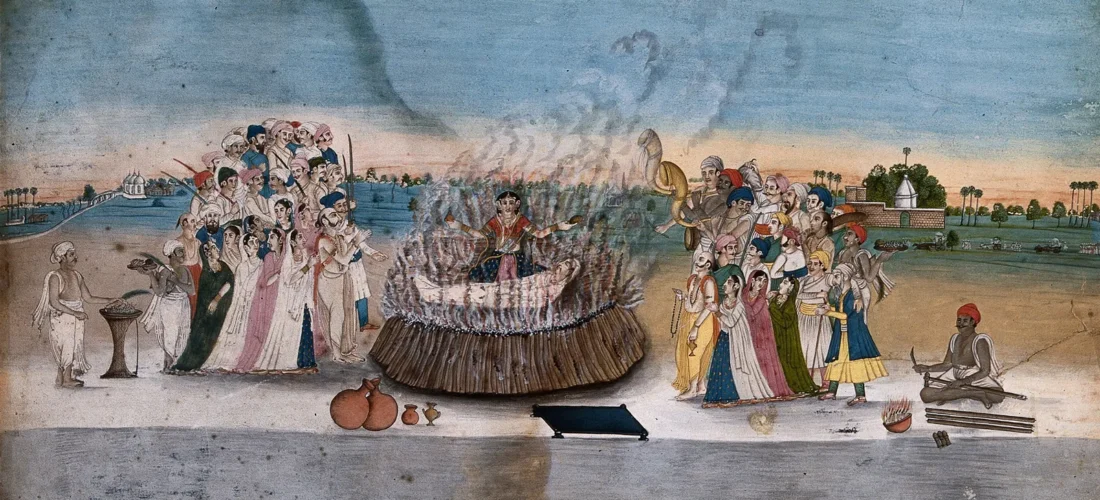
Loomba’s essay traces how the sati-widow has been represented from the colonial period through postcolonial debates. Sati is a historical Hindu practice in which a widow is burned alive on her deceased husband’s funeral pyre, either voluntarily or by coercion. Loomba explains how the very societal systems that have attempted to define her—colonial, patriarchal, nationalist, and feminist—are disrupted by the sati-widow figure. Each of these systems relied on the widow as a symbolic figure, but simultaneously erased her subjectivity. This erasure forces a rethinking of these prevailing narratives, proving the instability of the social, cultural, and epistemic frameworks that sought to confine her.

The Zapatista Women’s Revolutionary Law (1994)

1990-2010, Date, Defining the Enemy, Indigenous, Patriarchy, Subjectives of Refusal, Women

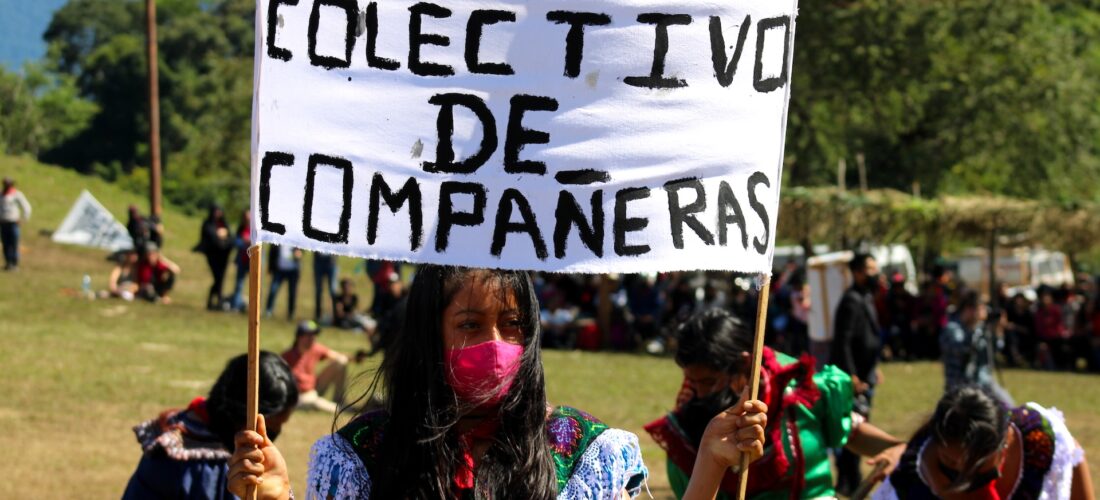
The Zapatista Women’s Revolutionary Law establishes women’s rights within the context of the Zapatista armed indigenous uprising. It guarantees women the right to participate in the revolutionary struggle, access work with equal pay, exercise reproductive autonomy, participate in community decision-making, and receive equal social rights. The law frames women’s liberation as inseparable from broader social and indigenous resistance, linking gender equality directly to the fight against oppression.

Manifesto of Female Revolt (Rivolta Femminile) (1970)

1946-1989, Defining the Enemy, Patriarchy, Subjectives of Refusal, Women

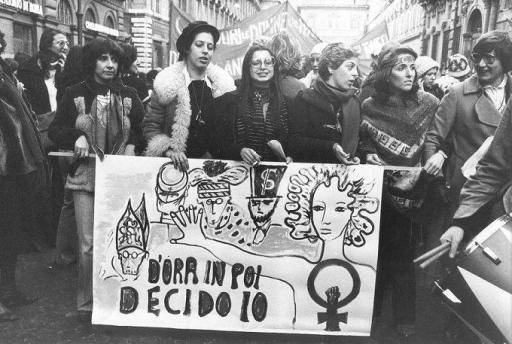
The Manifesto of Rivolta Femminile disrupted societal norms in Italy by openly rejecting the foundations of the country’s patriarchal social order during a time when rigid gender roles remained largely unquestioned. It describes marriage, motherhood, and women’s unpaid domestic labor as instruments used to suppress women. The manifesto challenges not only the domestic sphere but also the moral authority of the Church and the political agenda of the male-dominated Left, including Marxist ideals, and it calls for the dismantling of established political movements that had previously expected feminist demands to be absorbed into broader class-based struggles.

“Liberation for woman does not mean accepting the life man leads, because it is unlivable; on the contrary, it means expressing her own sense of existence.”

First International Conference of Socialist Women (1907) and Second International Conference of Socialist Women (1910)

1840-1945, Defining the Enemy, Patriarchy, Subjectives of Refusal, The Bourgeoisie, Women, Workers

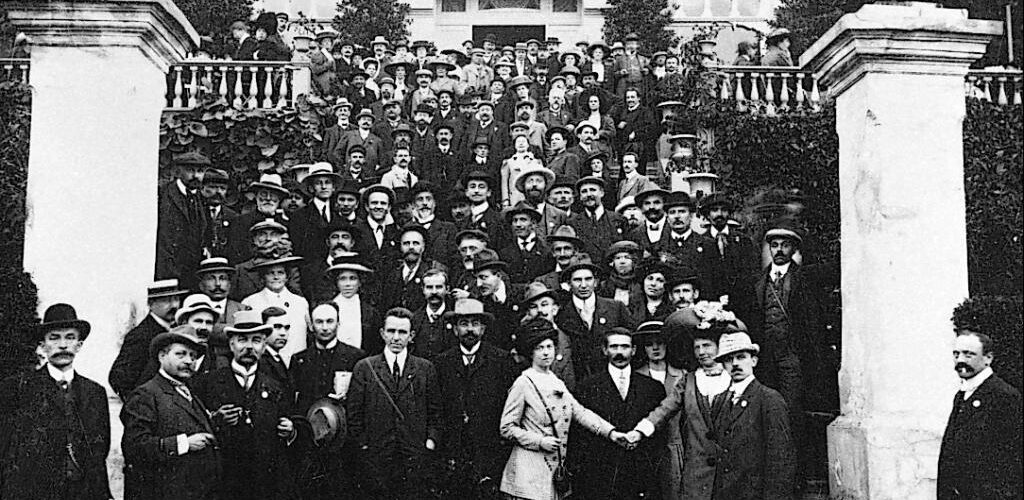
The First (1907) and Second (1910) International Conferences of Socialist Women manifestos directly challenged the political, economic, and gender structures that existed during these times. Instead of seeking incremental reforms or aligning with the ideals of mainstream middle-class feminism, they redefine women’s liberation as inseparable from a working-class revolution. They reject “bourgeois” feminist agendas that ignored the material realities of laboring women. They demanded universal suffrage as a tool of class struggle, declared capitalism to be the root of women’s exploitation, and insisted that women enter unions, strikes, and political organizations. These manifestos disrupted both traditional gender norms and the preexisting economic order. Their creation of international coordination further unsettles national boundaries and portrays women as a global political force. Through asserting that true emancipation requires fundamental restructuring of society, not mere reform, these documents articulate a bold and disruptive display of feminist politics that threatened the stability of existing power systems.

Hawon Jung’s Flowers of Fire (2023)

2011-Present, Defining the Enemy, Patriarchy, Subjectives of Refusal, Women

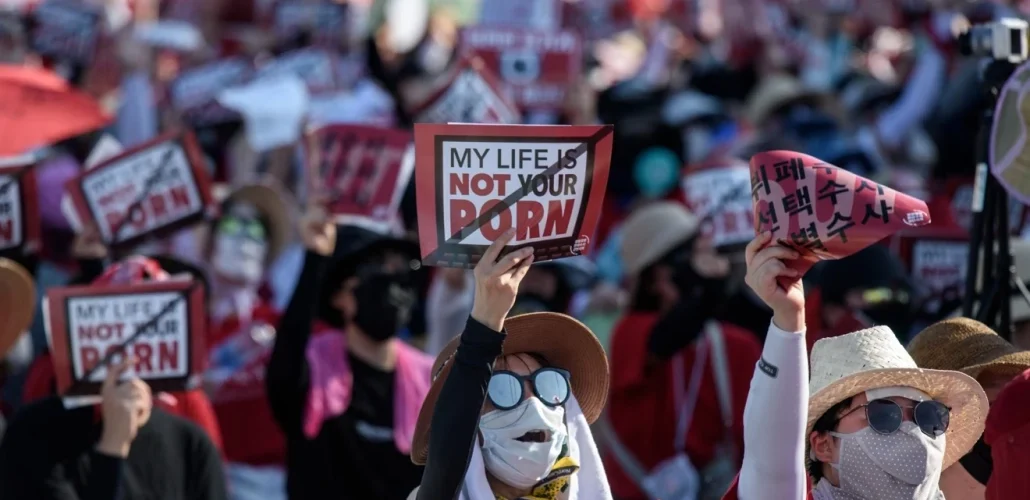
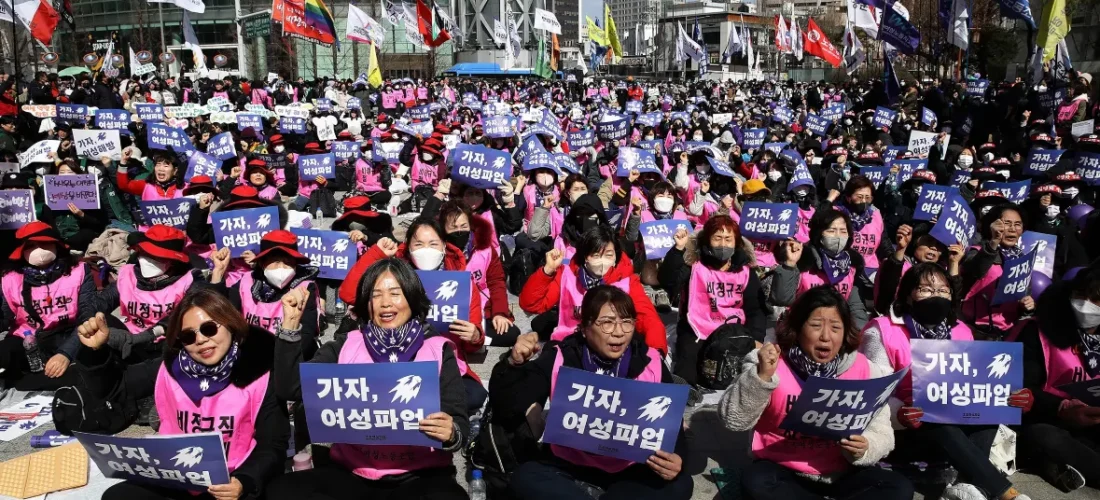
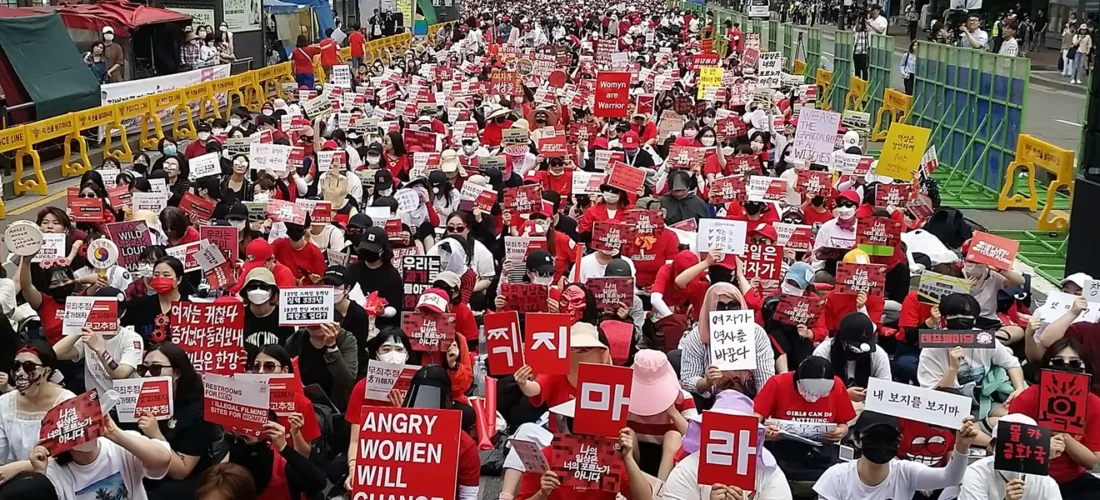
Hawon Jung draws attention to the personal testimonies and protests that have unfolded in South Korea as a result of persistent gender-based violence. She shows how women’s collective voices have shattered long-standing norms of silence and obedience deeply rooted in the country’s entrenched patriarchy. This activism has challenged not only individuals but also the institutions that have historically protected male authority. The women who participate in this resistance disrupt generational continuity, redefining womanhood in ways that no longer revolve solely around family life and men.

“Wake up! Your Miss Saigon was dead and gone a long time ago. She’s not here anymore.”

Resistance Through No Sex: The 4B Movement in South Korea

2011-Present, Defining the Enemy, Patriarchy, Subjectives of Refusal, Uncategorized, Women

Women in South Korea have continuously been treated as inferior under a deeply ingrained patriarchal system. In 2016, after a young woman was murdered in a misogynistic hate crime, the country reacted with outrage over the poor handling of her case. Misogynistic crimes like this, combined with systemic gender inequality and intense societal pressures, helped spark a collective rejection of men and patriarchal norms. Although often described as a “sex strike,” that is not the sole purpose of the 4B movement. Women in South Korea also place greater emphasis on engaging with and supporting one another rather than conforming to traditional relationships with men.

”The 4B thing is a very Korean, feministic lifestyle, and it is irreversible. We cannot be taken back again!”

Life Without Men: The 4B Movement

2011-Present, Defining the Enemy, Patriarchy, Subjectives of Refusal, Uncategorized, Women

After a history of oppression, rigid gender roles, pervasive misogyny, and gendered violence, many South Korean women have collectively decided to reject traditional patriarchal structures. These women follow the principles of the “4Bs”: bihon (no marriage), bichulsan (no childbirth), biyeonae (no dating men), and bisekseu (no sex with men). Through these rejections, they are not only resisting gender discrimination but also destabilizing societal expectations—with no clear desire to return to traditional roles, even in the aftermath of mass protests. This social disruption has begun to expand westward, reaching beyond Korea’s borders.

Valerie Solanas’s S.C.U.M. Manifesto (1967)

1946-1989, Date, Defining the Enemy, Patriarchy, Subjectives of Refusal, Women

The S.C.U.M. Manifesto is an account of Valerie Solanas’s radical feminist views. She argues that men are incomplete women who spend their lives attempting to become female. Through this pursuit, men have corrupted the world by forming harmful systems that give them a false sense of purpose. To relieve society of this corruption, women must recognize the damage caused by men and tear apart the systems that are ruining the nation. Ultimately, Solanas advocates the eradication of men.

“To be male is to be deficient, emotionally limited; maleness is a deficiency disease and males are emotional cripples.”