“At the beginning, we had the mentality they’d taught us, that women are made for the home, to take care of the children and to cook, and that they aren’t capable of assimilating other things, of a social, union or political nature, for example. But necessity made us organize.”
Domitila Barrios De Chungara
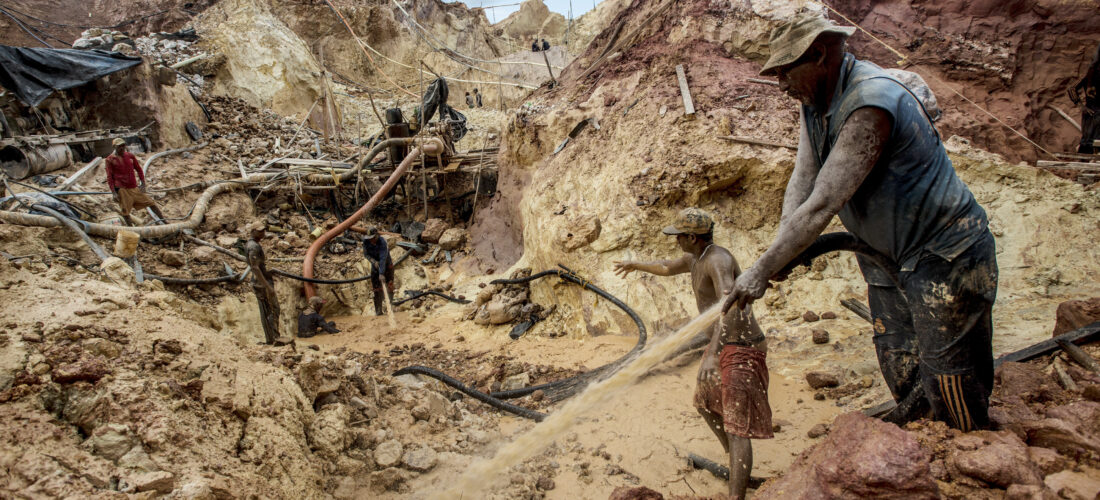
Domitila Barrios De Chungara was a Bolivian woman born and raised in the Catavi mining community, Siglo XX, which she eventually returned to later in life. Her trajectory illuminates the exploitation of the mining industry and its workforce. After losing her father due to political persecution, and her mother when she was 9 years old, she was responsible for raising her four sisters into adulthood. She eventually married a miner returning to her home community, which enabled her to emerge as a prominent organizer within Siglo XX. She mobilized women into an active political force against the struggles of Bolivian tin workers. Her testimony, Si me permiten hablar, serves as a very rare first-hand account of life in the mines from a female, working-class perspective. The conditions she described were incredibly severe and exploitative, resulting in harm not just to miners, but to their wives and children as well. Mining contributed to about 60% of the Bolivian national income, with the second largest contributor being the exploitative oil industry. Public mining corporations employed 35,000 people in state mines, and an equal number were employed privately. The conditions were extremely dangerous, as marked by explosions, accidents, and constant physical and mental degradation. Workers in communities like Siglo XX lived in company-owned housing, which required widows of deceased miners to relocate within 90 days of passing. They lacked clean running water, basic infrastructure was outdated and deteriorating, and they shared unclean bathroom facilities. It was these conditions that Domitila Barrios de Chungara helped found the Housewives Committee of Siglo XX in 1961, organizing women to launch strikes, block roads, and confront soldiers and higher-ups. In 1977, they launched a hunger strike that grew from four women to hundreds of supporters across the nation, which placed pressure on the dictatorship to return previously exiled union leaders. De Chungara’s organizing demonstrated women’s ability to serve as political actors, showcasing the ability to form resistance withing working class women to fight the conditions of poverty perpetuated by the government and corporations. Her testimony emphasized the need to challenge, disrupt, and dismantle inequitable systems that continue to harm civilians as consequences of capitalist accumulation.