Radical Women Manifesto – Radical Women Publications (1975)

1946-1989, Consciousness Raising, Date, Defining the Enemy, Patriarchy, Subjectives of Refusal, Tactics of Disruption, Women

Radical Women, founded in 1967 in Seattle, Washington, is a revolutionary faction within the women’s movement and a prominent feminist voice on the Left. The organization fights against racism, sexism, homophobia, anti-trans discrimination, and labor exploitation, while advocating for multi-issue organizing that prioritizes the needs of the most marginalized communities. The 1975 Radical Women Manifesto: Theory, Program, & Structure critiques the capitalist system’s oppression of women, arguing that sexism stems from economic inequalities and the patriarchal family structure. It calls for a socialist revolution to achieve women’s liberation, while outlining the group’s political platform, principles, and organizational structure.

Bucknell University Protests Recruitment During Vietnam War

1946-1989, Authority, Date, Defining the Enemy, Disruptive Spaces, Institutions, Students, Subjectives of Refusal

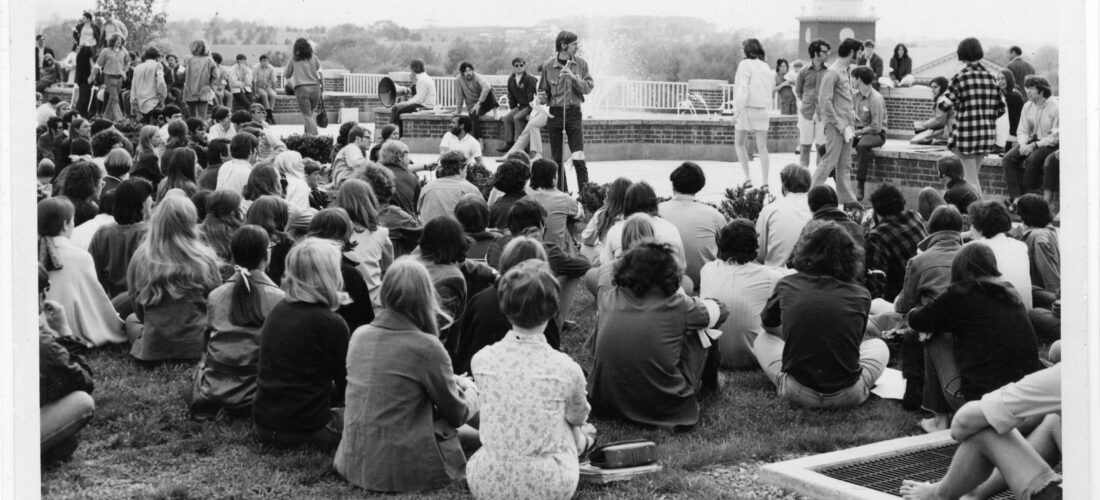
During the Vietnam War, Bucknell University began protesting against military recruitment, especially about the U.S. Marines and Navy, during the Vietnam War

Protesting Recruitment

In the 1970s, Bucknell University had protests against military recruiters, especially the Marines and Navy, coming to campus. Students, faculty, and staff did not like it because they saw it as supporting the Vietnam War and the draft which was extremely unpopular during the time. These protests were part of the bigger anti-war movement, where students started questioning the military’s place on campus and in society. The demonstrations at Bucknell were part of a larger shift in the U.S. where people began challenging the military’s influence on education.

Bucknell University Declares Moratorium – 1970

1946-1989, Date, Disruptive Spaces, Institutions, Strike, Students, Subjectives of Refusal, Tactics of Disruption

Bucknell University declared a moratorium on classes where students and faculty joined together to defy the war going on in Vietnam

May 5, 1970

This particular moratorium on classes was a response to the events that happened at Kent State University on May 4, 1970, where the Ohio National Guard opened fire on unarmed student protesters killing four students and injuring nine others. This event sparked an increase in protests around the nation on college campuses. In response to these protests, Bucknell’s administration decided to suspend classes to allow students and faculty the time to discuss the protests related to the war and the political climate of the time.

Defy The Draft – 1967

1946-1989, Authority, Defining the Enemy, Strike, Students, Subjectives of Refusal, Tactics of Disruption, Uncategorized

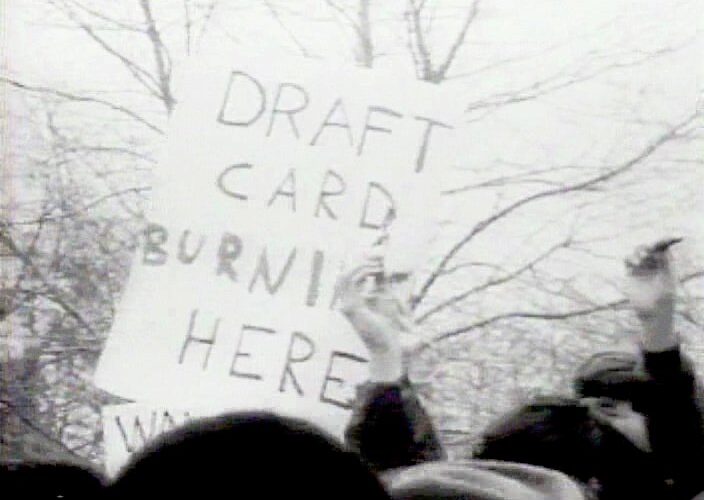
Students join protesters in New York to show off their right to have freedom of speech by defying the Vietnam draft with the burning of draft cards

“One hundred American youths burned their draft cards in Central Park today in a protest against the war in Vietnam”

On Pilgrimage – Dorothy Day Against the Vietnam War

1946-1989, Consciousness Raising, Date, Tactics of Disruption

Dorothy Day expresses her sorrow and outrage against the Vietnam War and calls to Christians and Catholics to band together against it

Dorothy Day

Dorothy Day was an American Catholic activist, writer, and co-founder of the Catholic Worker Movement. Her life was defined by her dedication to following the principles of the Sermon on the Mount, embracing radical hospitality, advocating for pacifism, and fighting for peace and social justice. Dorothy Day was strongly against the Vietnam War, criticizing it both morally and religiously. As a dedicated pacifist and Catholic, she believed the war was a serious injustice that went against the teachings of Christ. She saw the war as an example of imperialism and violence, which conflicted with her values of peace, justice, and helping the poor.

Story of The Last Great Gunfighters – Vietnam War

1946-1989, Date, Disruptive Spaces, The Home

The following excerpt follows what a Vietnam War veteran, Joseph M. Belardo Sr., went through after his return to the United States after his tour

Joseph M. Belardo Sr.

Joseph M. Belardo Sr. is a Vietnam War veteran who served in the U.S. Army. After his tour in Vietnam, Belardo dedicated much of his life to public service and advocating for fellow veterans. He became an active member of the American Legion and worked with various veteran organizations to support veterans’ rights and welfare. Additionally, Belardo contributed to the community by helping to establish veterans’ memorials and supporting efforts to ensure that the sacrifices of Vietnam War veterans were acknowledged and honored. However, he was faced with issues as many citizens believed he was a “murderer” after his return, with an uprise of protests happening as he returned. He felt hurt by this opposition from his own country as he was drafted into the military.

The Ally – Vietnam War Newspaper 1968

1946-1989, Consciousness Raising, Date, Disruptive Spaces, Tactics of Disruption, The Home

The Ally, a newspaper directed toward the social, political, and humanitarian impacts of the war, provides an interview of a soldier and his interactions while in Vietnam

The Ally Newspaper

The “Ally” newspaper, Issue No. 3 (April 1968), was a publication produced by the Vietnam Solidarity Campaign (VSC) in the United Kingdom. The VSC was one of the most notable activist organizations advocating against the Vietnam War and played a key role in organizing protests. This interview was taken by a correspondent of a foreign newspaper and translated by “The Ally” where the soldier provides his feelings and what he witnessed during and after the war.

“I would say that the real split occurred after May of this year when we were in the U.S. and I saw the demonstrations, massive uprisings of protest against the Vietnamese War”

Freedom of Information and Privacy Acts – Vietnam War

1946-1989, Authority, Black, Date, Defining the Enemy, Students, Subjectives of Refusal

Black activists and students across the United States have utilized their radical groups to protest the Vietnam War

Black “extremist” groups advocating against the Vietnam War

During the 1960s and 1970s, the Vietnam War was a major source of division in American society. The U.S. government’s escalating involvement in Vietnam was widely debated, and many political movements including the Black Power and civil rights movements began to protest the war. The FBI’s COINTELPRO was intended to monitor and disrupt movements that were protesting against the U.S. government. Black civil rights leaders and activists, especially Martin Luther King Jr. and Malcolm X, were outspoken against the war and were targeted under COINTELPRO to control any form of activism against the Vietnam War.

“A time comes when silence is betrayal. That time has come for us in relation to Vietnam.” – Martin Luther King Jr.

Women’s Strike for Peace – Vietnam War

1946-1989, Date, Strike, Subjectives of Refusal, Tactics of Disruption, Women

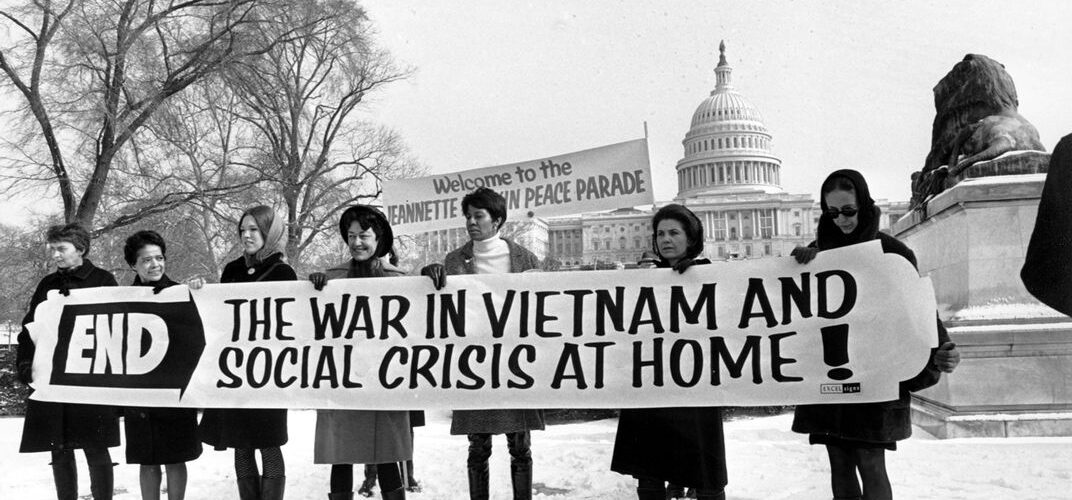
The Women’s Strike for Peace, founded in 1961, was a grassroots movement of women advocating to end the Vietnam War and nuclear disarmament.

Women’s Strike for Peace

The Women’s Strike for Peace (WSP) was a prominent movement that mobilized women across the United States to protest the Vietnam War and advocate for disarmament. The group was formed in response to the U.S. government’s involvement in Vietnam and its nuclear weapons testing. WSP organized large demonstrations, including a notable national strike in 1961, and lobbied government officials to adopt peaceful foreign policies. The organization played a key role in shifting public opinion about the war and contributed to broader peace and civil rights movements, highlighting women’s voices in political activism.

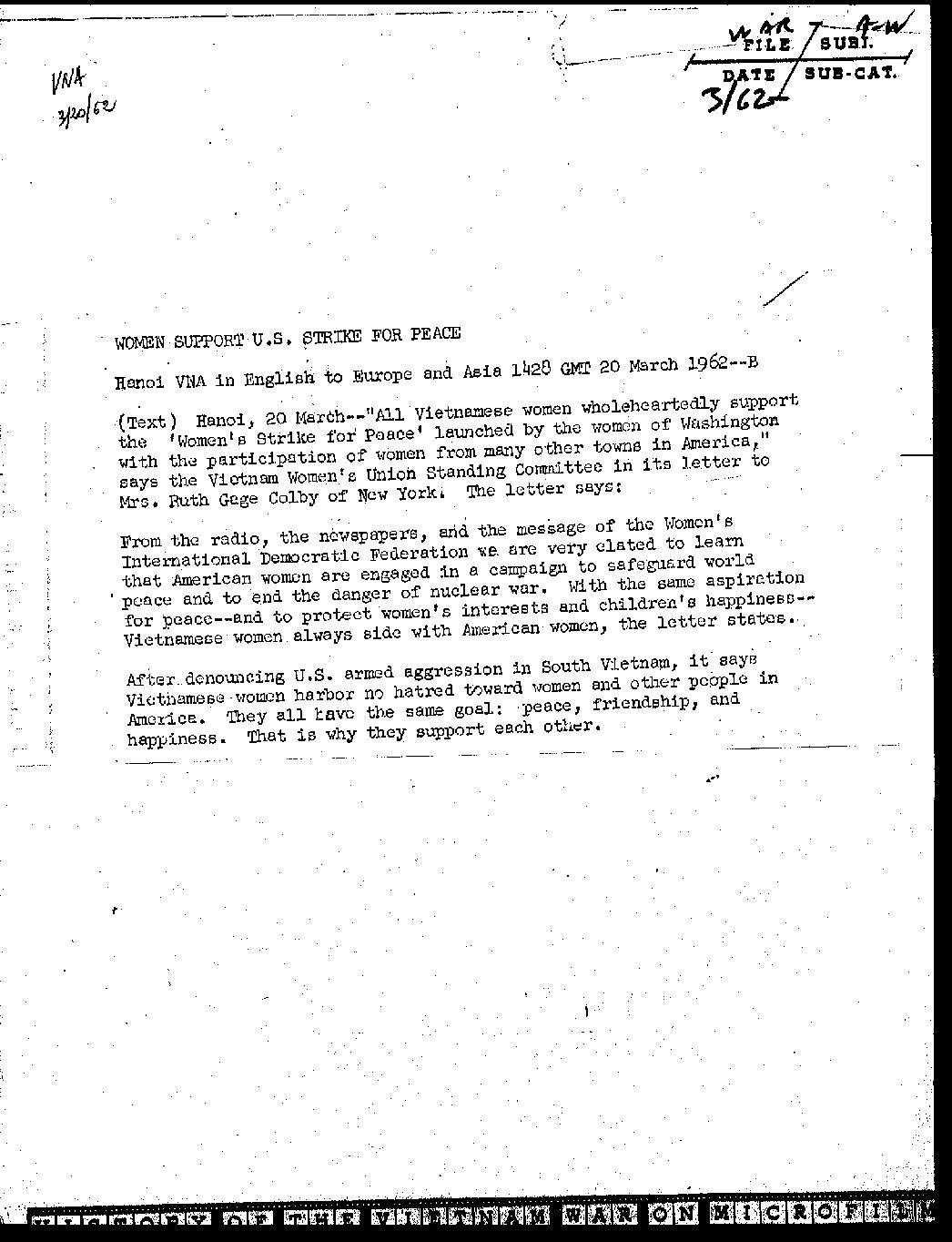
“They all have the same goal: peace, friendship, and happiness. That is why they support each other” – Hanoi

Vietnam War or McNamara’s War? – 1964

1946-1989, Consciousness Raising, Date, Strike, Tactics of Disruption

McNamara’s War, referring to Robert McNamara’s Vietnam War policies, was the escalation of American troops in Vietnam.

McNamaras War

Robert McNamara was the Secretary of Defense under President Lyndon Johnson and continuously urged the president to escalate the United States’ involvement in the war through technology. This led to widespread protest against the “McNamara War” as McNamara utilized harsh policies, like the “body count,” which were portrayed as unjust, even in a war. This led to widespread protests about the inhumane policies that were enacted during the Vietnam War.

“I should like to know what the Foreign Ministers propose to do about bringing to an end the unjustifiable killing that is going on in South Vietnam.” – New York Times

MEDIA RELEASE: TSLEIL-WAUTUTH NATION SACRED TRUST INITIATIVE: STATEMENT ON TRANS MOUNTAIN PIPELINE EXPANSION’S COMMENCEMENT

2011-Present, Defining the Enemy, Disruptive Spaces, Imperialism, Indigenous, Privatization, Subjectives of Refusal, The 'Natural World'

Kinder Morgan’s Trans Mountain Pipeline Expansion project has always been strongly opposed by the people of the Tsleil-Waututh nation. The pipeline crossed through Tsleil-Waututh land and gave rise to fears of an oil spill in territorial waters. The Tsleil Waututh Nation has battled Kinder Morgan and the Canadian government on this issue from 2013 to the present day. This statement outlined their continued commitment to oppose the pipeline and defend their nationally recognized control over their territory. 

“Today, we pause to recognize all that we have accomplished and endured along this journey. The risks that we assessed as too great now move from hypothetical to real risks to our community, our culture, and the lands, water, and air that we all rely on. These risks include the fact that oil spills are inevitable, they are impossible to fully clean up, and they will cause catastrophic ecological impacts in səlilwət (Burrard Inlet) and the Salish Sea. We have worked hard over the generations to restore the health of Burrard Inlet. The Trans Mountain pipeline threatens the incredible advancements we have made to bring the ecosystem back.”

Grunwick Strike (1976-1978)

1946-1989, Date, Defining the Enemy, Privatization, Strike, Subjectives of Refusal, Tactics of Disruption, The Bourgeoisie, Women, Workers

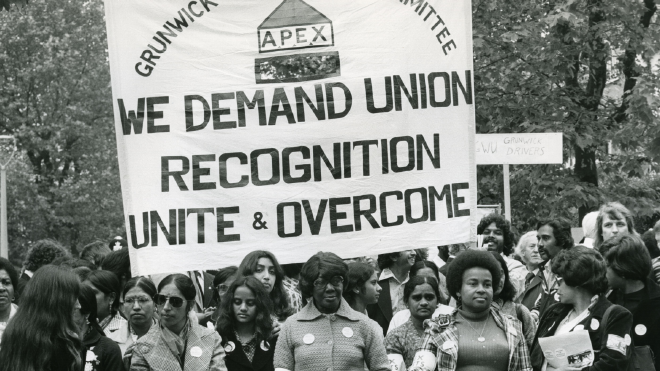
The Grunwick strike in London involved predominantly Asian women workers at Grunwick Film Processing Laboratories, led by Jayaben Desai. They went on strike demanding better working conditions, fair pay, and union recognition. The strike garnered widespread support from trade unions and labor activists but faced significant opposition, including police violence. Despite the strong solidarity, the strike ended without achieving its goals. However, it is remembered as a key moment in British labor history, highlighting issues of race, gender, and workers’ rights. Below, there are newspaper articles and original photos from their strike efforts.
How to Throw a Squatted Dance Party – Anonymous (2018)

2011-Present, Alternative Spaces, Date, Defining the Enemy, Disruptive Spaces, Occupation, Privatization, Self Institution, Tactics of Disruption, The Bourgeoisie

This is a step-by-step anonymous guide published on CrimethInc.’s website detailing how to throw a squatted dance party. Information on gear, location, how to promote the event, handling the authorities, among other important instructions are included in the document.

White House Sit-In Flyer – Students for a Democratic Society (1965)

1946-1989, Date, Defining the Enemy, Disruptive Spaces, Imperialism, Institutions, Occupation, Students, Subjectives of Refusal, Tactics of Disruption

Students for a Democratic Society (SDS) was a national student activist organization in the US during the 1960s that sought to establish a New Left focused on civil rights, peace, and universal economic security. In 1965, SDS held a mass sit-in at the White House to protest the Vietnam War. This document is a flyer for the event, detailing the various demands, plans, and sponsors of the group.

Open Letter from Students for Justice in Palestine to Universities (2024)

2011-Present, Authority, Date, Defining the Enemy, Disruptive Spaces, Imperialism, Institutions, Students, Subjectives of Refusal

This letter was released by Students for Justice in Palestine on April 21, 2024. In the document, SJP lays out its mission, sets forth various demands, expresses solidarity with SJPs across the country, and makes clear its determination to reclaim student power on campus to pursue justice and liberation for the people of Palestine.

The Written Resistance #3 – National Students for Justice In Palestine (2024)

2011-Present, Authority, Blockade/Barricade, Date, Defining the Enemy, Disruptive Spaces, Imperialism, Institutions, Students, Subjectives of Refusal, Tactics of Disruption

This is the third edition of the newsletter written by a compilation of individual authors and published by the National Students for Justice in Palestine. The importance of discomfort, the global struggle against imperialism, information on the Palestine Solidarity Movement, accounts of personal experiences, various calls to action, and other important topics were included in the newsletter.

The Written Resistance #2 – National Students for Justice In Palestine (2024)

2011-Present, Authority, Blockade/Barricade, Date, Defining the Enemy, Disruptive Spaces, Imperialism, Institutions, Students, Subjectives of Refusal, Tactics of Disruption

This is the second edition of the newsletter written by a compilation of individual authors and published by the National Students for Justice in Palestine. Smiling as an act of resistance, Palestinian educational institutions, the role of US students and workers in the struggle for Palestine, decolonization as a practice, recommendations for student organizing, and other topics were included in the newsletter.

In Defense of the Right to Free Speech and Peaceful Protest on University Campuses – American Association of University Professors (2024)

2011-Present, Authority, Date, Defining the Enemy, Disruptive Spaces, Institutions, The Bourgeoisie

On April 29, 2024, the American Association of University Professors (AAUP) released a statement defending the right to free speech and peaceful protest on college campuses, condemning the militarized response to these forms of student activism, expressing solidarity with all AAUP chapters and members nationwide who have supported these student groups, and calling on others to sign the statement.

Sarayaku Court Case(2012)

2011-Present, Authority, Consciousness Raising, Date, Defining the Enemy, Disruptive Spaces, Indigenous, Privatization, Subjectives of Refusal, Tactics of Disruption, The 'Natural World', The Home

The indigenous people of Sarayaku were faced with a devastating loss in 1996. The Ecuadorean state gave away a large part of their land to an oil company without consulting the people that were living there. In 2002, this company came into the land and set up massive amounts of explosives, which deeply endangered the community. The Sarayaku people took their case to the International Humans Rights System and substantially won their case. The explosives were removed and the company was censured. This is the link to the official website and below is the proceedings from the case.

Battle of Blair Mountain (1921)

1840-1945, Date, Defining the Enemy, Disruptive Spaces, Evasion, Occupation, Subjectives of Refusal, Tactics of Disruption, The 'Natural World', The Bourgeoisie, The Workplace, Workers

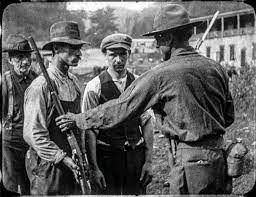
The Battle of Blair Mountain is considered to be one of the largest civil uprisings in American history. Thousands of coal miners in Mingo County, West Virginia received terrible wages and horrendous treatment within the mines themselves. About 10,000 miners congregate at the edge of the country and refuse to budge. After threats of federal troops being sent in, four deputies of the local offices are taken prisoner and presumed to be killed. There’s five days of battling between troops and miners and eventually federal troops did come to intervene. This is considered to be a pivotal moment in the labor organizing history of America.

Homestead Strike (1892)

1840-1945, Date, Defining the Enemy, Disruptive Spaces, Occupation, Privatization, Sabotage/Ecotage, Strike, Subjectives of Refusal, Tactics of Disruption, The Bourgeoisie, The Workplace, Uncategorized, Workers

The Homestead Strike of 1892, centered at Carnegie’s steel plant in Pennsylvania, marked a pivotal moment in American labor history. It erupted over wage cuts and benefit reductions, leading to a violent clash between striking workers and Pinkerton detectives hired by the company. After Carnegie and his staff pushed workers out of the plant to replace them with non – union workers, they pushed back and barricaded within it. There was violent conflict between them and the Pinkerton detectives. Despite the workers’ efforts, the strike was ultimately suppressed. Nonetheless, the strike remains a significant event in the struggle for workers’ rights and fair labor practices. It became a rallying point for other labor activists.

Luddites Protest (1812)

1700-1830s, Date, Defining the Enemy, Disruptive Spaces, Privatization, Sabotage/Ecotage, Subjectives of Refusal, Tactics of Disruption, The Workplace, Urban Spaces, Workers

During the Industrial Revolution in England, textile workers protested against the rise of machinery that took their jobs and reduced their wages. The factory heads and upper class started to push workers out and as a result, they pushed back. This was done through the sabotage of machinery and violently resisting against the people they felt were oppressing them. The PDF below includes pamphlets from this protest that detail the specific actions.

How to Submit an Anonymous Communiqué and Get Away With It (2024)

2011-Present, Authority, Date, Defining the Enemy

A communiqué is a report on direct actions that is typically shared either online or in print publications. This is a guide on how to submit an anonymous communiqué online. Key terms, step-by-step instructions, relevant websites, and other important information is included in the document.

Blockade, Occupy, Strike Back (2012)

2011-Present, Authority, Blockade/Barricade, Date, Defining the Enemy, Occupation, Sabotage/Ecotage, Strike, Students, Subjectives of Refusal, Tactics of Disruption

This is a guide that was distributed by anarchists during the 2012 student strikes and social conflicts in Montreal. The document provides step-by-step instructions on how to form crews, how to create paint bombs, how to occupy a space, how to conduct a street demonstration, as well as other important tactics.

A Call to Bucknell Faculty, Staff, and Students – Bucknell Students for Justice in Palestine (2024)

2011-Present, Authority, Date, Defining the Enemy, Disruptive Spaces, Imperialism, Institutions, Strike, Students, Subjectives of Refusal, Tactics of Disruption, The Bourgeoisie

This is a statement made by the Students for Justice in Palestine at Bucknell University (BUSJP), located in Lewisburg, Pennsylvania. The group set forth four demands for the university including disclosing the identities of all donors and investment portfolios, divesting from companies that fund the Israeli government, denouncing Israel and the repression of university students across the country who support Palestine, as well as detaching from corporate partnerships that support the genocide. Additionally, BUSJP calls on everyone at the university to join the student movement and participate in the strike by withholding their labor.

“If there is no functioning university in Gaza, there should be no functioning university here.”

The Written Resistance #1 – National Students for Justice in Palestine (2024)

2011-Present, Authority, Blockade/Barricade, Date, Defining the Enemy, Disruptive Spaces, Imperialism, Institutions, Occupation, Students, Subjectives of Refusal, Tactics of Disruption

This is the first edition of the newsletter written by a compilation of individual authors and published by the National Students for Justice in Palestine. The right to resist, a history of the Israeli-Palestinian conflicts, information on the BDS (Boycott, Divestment, and Sanctions) and the Palestinian Feminist Collective movements, accounts of personal experiences, various calls to action, and other topics were included in the newsletter.

May-Day Strike by French Postal Employees (1924)

1840-1945, Date, Defining the Enemy, Disruptive Spaces, Sabotage/Ecotage, Subjectives of Refusal, Tactics of Disruption, The Bourgeoisie, The Workplace, Workers

This is a screenshot of an excerpt from a 1924 newspaper on the proposed May-Day strike by French postal workers. In an effort to obtain a raise in wages, these postal workers sought to disrupt the operation of the mail service by enforcing all minor regulations, thus slowing down the service.

Joint Statement by Harvard Palestine Solidarity Groups on the Situation in Palestine (2024)

2011-Present, Authority, Date, Defining the Enemy, Disruptive Spaces, Imperialism, Institutions, Occupation, Students, Subjectives of Refusal, Tactics of Disruption

In this piece, Palestine Solidarity Groups at Harvard University take a stand against the violence committed against Palestinians and call on the Harvard community to take action. This is a part of a string of pro-Palestinian protests on college campuses across the United States against both the Israel-Hamas War and the financial ties these various universities have with Israel.

Press Release – Columbia Students for Justice in Palestine (2024)

2011-Present, Authority, Date, Defining the Enemy, Disruptive Spaces, Imperialism, Institutions, Occupation, Students, Subjectives of Refusal, Tactics of Disruption

This is a press release from the Columbia Students for Justice in Palestine’s Twitter page. In the document, the organization demands their voices be heard, likens their quest for liberation to that of the Civil Rights Movement and other anti-war protests, as well as vows to remain in place until their demands are met. These demands include a complete divestment of all finances linked to the Israeli apartheid in Palestine, complete transparency of all of Columbia’s financial investments, and amnesty for everyone at the university who has been penalized for participating in the movement for Palestinian liberation.

Call to Action – National Students for Justice in Palestine (2024)

2011-Present, Authority, Date, Defining the Enemy, Disruptive Spaces, Imperialism, Institutions, Occupation, Students, Subjectives of Refusal, Tactics of Disruption

This was a call to action posted on the social media accounts of the National Students for Justice in Palestine (SJP) on April 19, 2024. In the document, the National SJP criticizes the decision of the universities to choose profit and reputation over the lives of those in Palestine and the will of the students. The organization expresses solidarity with other chapters of SJP across the nation and calls on them for continued action.

Press Release from The New School Students for Justice in Palestine

2011-Present, Authority, Date, Defining the Enemy, Disruptive Spaces, Imperialism, Institutions, Occupation, Students, Subjectives of Refusal, Tactics of Disruption

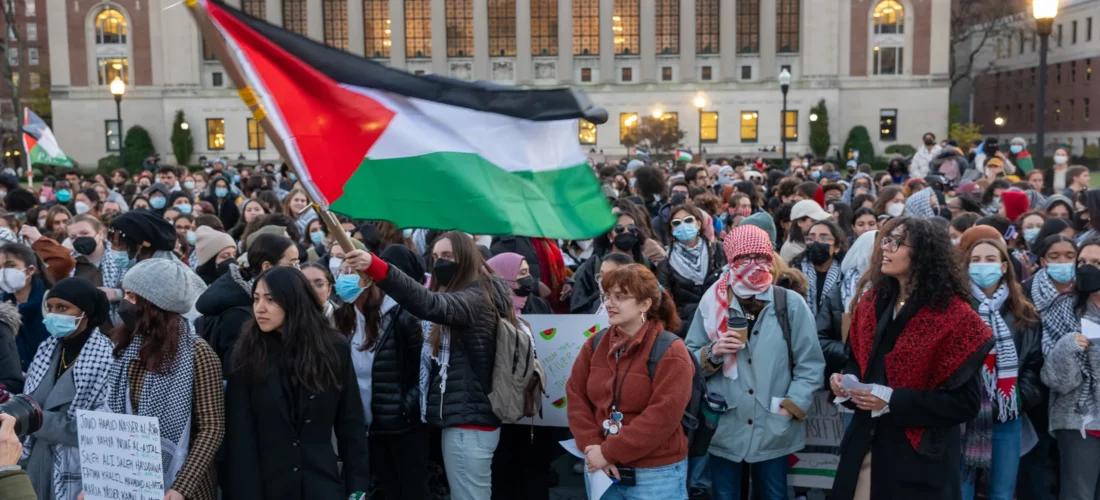
Over the past weeks at various universities across the United States, students have erected encampments to demand action to end Israel’s war on the Gaza Strip. These protests have arisen on the campuses of some of the US’ highest academic institutions, including Harvard and Columbia. This document is a press release from The New School Students for Justice in Palestine, a student-organization at The New School in New York City. In the press release, they expressed their solidarity with other student protesters across the country, described why they established the encampment, detailed the rich history of student protest at the school, and set forth a list of demands for the university. Some of these demands included a complete divestment from all corporations that benefit from and are complicit in the ongoing genocide against the Palestinian people, greater protection for pro-Palestinian protesters, a full academic boycott of Israeli academic and cultural institutions, among others.

The Great Berkeley Rent Strike – Berkeley Tenants Union (1969)

1946-1989, Authority, Date, Defining the Enemy, Disruptive Spaces, Privatization, Strike, Subjectives of Refusal, Subjects Redefined, Tactics of Disruption, The Bourgeoisie, Urban Spaces, We're Not Paying That

The Berkeley Tenants Union was established in 1969 and sought to organize low-income tenants to join in protest against rent increases, eviction, and poor housing conditions. This document is a flyer produced in 1969 by the union explaining the reasoning, goals, and strategy behind the city-wide renters strike as well as the various risks activists might face for carrying out these direct actions. Flyers such as this one began distribution during the end of 1969 and continued up until February of 1970, when the strike formally took place.

NAPA Demonstrates at St. Mary’s – Network Against Psychiatric Assault (1975)

1946-1989, Authority, Date, Defining the Enemy, Disruptive Spaces, Institutions, Occupation, Tactics of Disruption

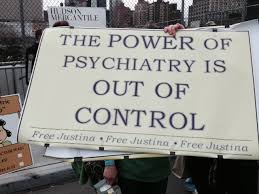
This is a call to action by the Network Against Psychiatric Assault, to join them in their direct actions against the psychiatric treatment program at St. Mary’s McAuley Neuropsychiatric Institute in San Francisco. In the document, NAPA brings attention to the inhumane and coercive techniques employed at St. Mary’s against patients, some of which include sheeting, sleep therapy, work tasks, among others. Additionally, NAPA has expressed its intent to theatrically demonstrate the sheeting practices of St. Mary’s in front of television cameras to draw awareness to the practice in an act of further resistance.

Letter Protesting Marcos’ Visit – Philippine Solidarity Network and Coalition Against the Marcos Dictatorship (1982)

1946-1989, Authority, Date, Defining the Enemy, Disruptive Spaces, Imperialism, Institutions, Occupation, Tactics of Disruption

This document is a letter from the Philippine Solidarity Network and Coalition Against the Marcos Dictatorship requesting support for opposing the state visit of the President of the Philippines, Ferdinand Marcos. The letter focuses attention on Marcos’ track record of grave human rights violations and details the role of the Philippines as the United States’ strategic mainstay for military strategy in the Pacific. The organization calls on supporters to attend their direct action campaign at the Philippine Consulate in San Francisco and to take other resistance measures to oppose Marcos’ state visit.

Young Lords Student Conference

1946-1989, Alternative Spaces, Consciousness Raising, Date, Disruptive Spaces, Tactics of Disruption

The Young Lords established the first National Puerto Rican Student Conference, which debuted on September 22nd at Columbia University. This event marked the first nationwide consciousness-raising event hosted by Puerto Ricans since they came to the United States. The event’s goals were to conduct workshops to teach about revolutionary Puerto Rican history and culture and preach the importance of women and high school students in the revolution. People in these workshops brainstormed specific improvements for each of their respective organizations. 

“Liberate Puerto Rico Now Committees were set up around the country to publicize the fact that Puerto Rico is a colony of the united states and is controlled economically, politically, and culturally by amerikkka. The Committees will be organizing for the October 30th action at the UN to demand independence for our homeland”

Young Lords Community Education

1946-1989, Alternative Spaces, Date, Defining the Enemy, Disruptive Spaces, Latino, Privatization, Subjectives of Refusal

In a newspaper article form the Young lords, Education Lieutenant Carlos Aponte discusses the colonization of Puerto Rican education. When the colonizers landed in Guancia, they destroyed puerto Rican history books and replaced them with American education. The Young Lords refuted this erasure of history by setting up their own educational programs to aid younger generations in learning their roots and especially keeping the spanish language alive.

29 Ways to Say No! – John Brown Anti-Klan Committee (1989)

1946-1989, Authority, Date, Defining the Enemy, White Supremacy

The John Brown Anti-Klan Committee, founded in 1978, was an anti-racist organization within the United States that took direct actions against the Ku Klux Klan and other white supremacist organizations in addition to publishing literature on the subject. This document, published by the organization, details 29 ways to resist racism, sexism, homophobia, and other forms of discrimination.

Documents on Unlock Apartheid’s Jails Campaign (1987)

1946-1989, Authority, Date, Defining the Enemy, Disruptive Spaces, Institutions, White Supremacy

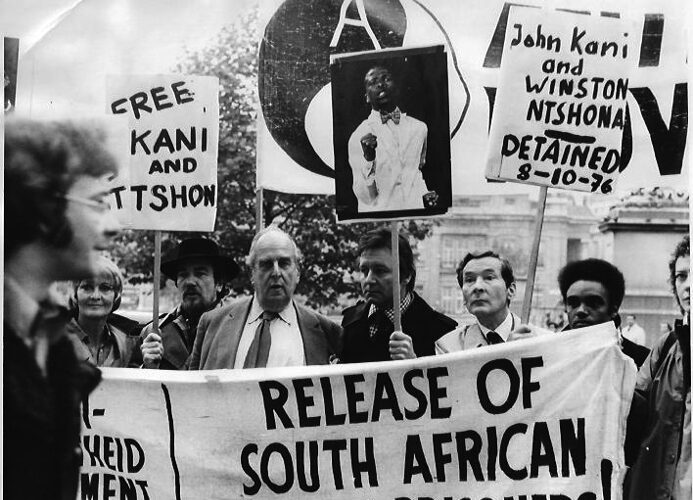
The Unlock Apartheid’s Jails Campaign, initiated by The Africa Fund, fought for the release of detainees and political prisoners in South Africa. This compilation of documents included a letter from Dumisani S. Kumalo, a coordinator of the campaign, as well as various newspaper articles attached by him that detail the success of the campaign on focusing the nation’s attention on South Africa’s prisoners of conscience.

Communique From Some Warriors in South Dakota (1975)

1946-1989, Authority, Colonized, Date, Defining the Enemy, Disruptive Spaces, Imperialism, Indigenous, Subjectives of Refusal, Subjects Redefined, The 'Natural World', White Supremacy

This document, written by Native American Warriors from South Dakota, was addressed to Prairie Fire, the Weather Underground, and all third world and anti-imperialist allies. The Native American Warriors called on these groups to help them liberate their homelands and connected the Vietnamese victory in Vietnam to their struggle against US empire and imperialism.

The Freedom Charter – South African Congress Alliance (1955)

1946-1989, Authority, Black, Consciousness Raising, Date, Defining the Enemy, Disruptive Spaces, Institutions, Subjectives of Refusal, Subjects Redefined, Tactics of Disruption, White Supremacy

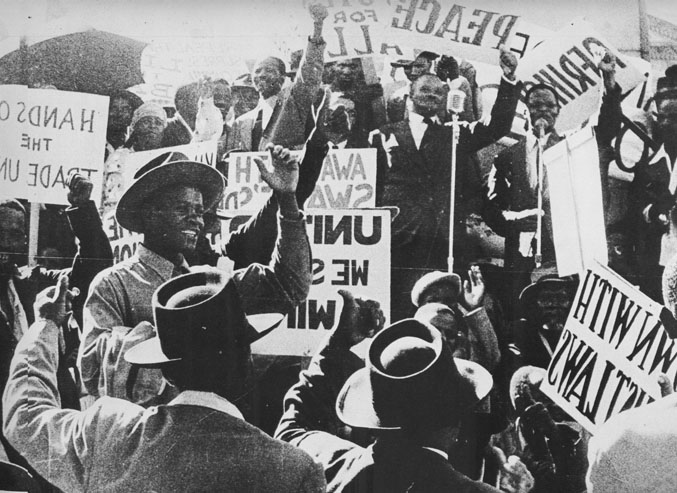
In 1955, the African National Congress (ANC) sent out 50,000 volunteers to various townships and rural areas throughout South Africa to gather “freedom demands” from average people. The ANC was tired of the repressive government and its desire to quell dissent. The demands made by the people of South Africa were synthesized into a document that was adopted later that year and became known as the “Freedom Charter.” This document is significant in that it was the first time in which the people were actively involved in creating their own vision for an alternative society.

 “The people shall govern!”

“These freedoms we will fight for, side by side, throughout our lives, until we have won our liberty.”

The Young Lord’s Trip to Puerto Rico

1946-1989, Date, Defining the Enemy, History, History/Theory, Imperialism, Latino, Subjectives of Refusal, White Supremacy

In December of 1970, Gloria Gonzales and Denise Oliver took a ten day trip to Puerto Rico. Their experiences, written in a newspaper article, underline the destructive impacts that western colonialism, specially from America, has on Puerto Rican communities. Oliver describes the psychological impact of colonialism and its devastating impact on young Puerto Rican populations. Oliver rejects the influence of western supremacy on the island, and advocates for a independent Puerto Rico.

The Young Lord’s Party Redefines the War on Drugs

1946-1989, Authority, Date, Defining the Enemy, Latino, Privatization, Subjectives of Refusal, Subjects Redefined, White Supremacy

In a newspaper from 1971, Richie Perez from the Young Lord’s Party discusses the Nixon administration’s policies on “drug control.” Perez argues that Heroine has been an issue harming the Puerto Rican communities for years, However “for the politicians, it didn’t become an “emergency” until heroin spilled out of our ghettos into white communities and into the amerikkkan army.” Perez defines the enemy as the United States government and exposes their negligence.

“Nixon is a liar, and he’s surrounded by other liars and hypocrites. Since 1969, the white house has known about the increase of drug addiction in the army. They have received many reports about this, but instead of being honest and presenting this problem to the people they are supposed to represent, they covered it up”

Richie Perez

General Assembly Statement of Solidarity for Occupy Oakland (2011)

2011-Present, Date

This document is a statement of solidarity for Occupy Oakland from the Occupy Wall Street General Assembly after the occupiers were forcefully evicted from their two-week old encampment. In the statement, the GA condemns the violence of the Oakland police department, calls for an immediate release of all detainees with all charges dropped, as well as demands that the mainstream media accurately report the events that ensued.

“WE WILL NOT LET INJUSTICE AND VIOLENCE DESTROY OUR SOLIDARITY AND STRENGTH. RE-OCCUPY OAKLAND! OCCUPY EVERYTHING!”

CAM Mapuche Statement (2023)

2011-Present, Authority, Date, Defining the Enemy, Disruptive Spaces, Indigenous, Occupation, Privatization, Subjectives of Refusal, Tactics of Disruption, The 'Natural World'

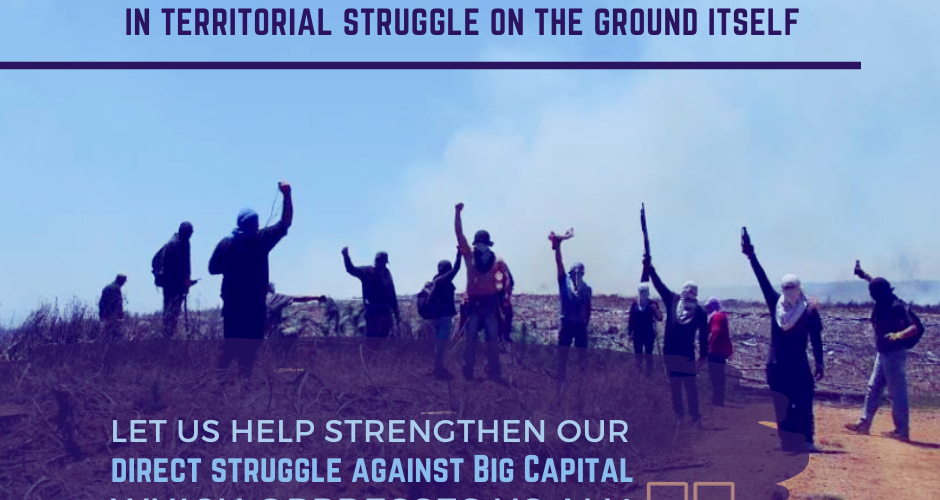
In a direct statement from CAM, they held a general meeting to discuss their organization’s updated goals and even there, they faced resistance from the Chilean government. They resisted against them successfully enough to finish their meeting in totality. In this statement, they address the allegations that they are terrorists without a motivation and other propaganda that the Chilean government has raised against them.

Statement from U.S. Political Prisoners to Nelson Mandela (1990)

1990-2010, Authority, Black, Date, Defining the Enemy, Disruptive Spaces, Institutions, Subjectives of Refusal, Subjects Redefined, White Supremacy

On June 21, 1990, U.S. political prisoners sent a statement to Nelson Mandela, who, at the time, was the Deputy Vice President of the African National Congress. In the statement, US political prisoners compared the criminalization of radical and progressive movements for social and political change within the US to what was happening in South Africa as well as contrasted the ways in which racism presents itself in both countries. They seek to relate to Mandela as because of his political views and activities on behalf of the African American community, he was a political prisoner himself. Additionally, they express solidarity with those in South Africa, who like them, are fighting a struggle for freedom against racial oppression.