
On November 3, 2011, 70 students at Harvard University, a well-respected Ivy League research institution, walked out of their Economics 10 course. The course, taught by Professor Gregory Mankiw, has the highest enrollment of any course at the University, with well over 700 participants. Mankiw is also an esteemed professor whom many others at various universities globally rely on for course material and textbooks. Students felt the course was symbolic of the economic ideology that led to the 2008 financial crisis and collapse, regarding Mankiw as supportive of conservatism. Students claimed the course too heavily asserted conservative economic claims as facts, referencing the course as “indoctrinating” and discouraging diverse viewpoints. According to those who walked out, part of the discontent with Economics 10 stems from what they say is the limited number of opportunities to express skepticism toward the material taught in the course.
Rachel Sandalow-Ash, a freshman at the time and co-organizer of the walkout, described graduates’ complicit nature, claiming their aid in many injustices in recent years. She describes that the desire of the organizers was to use their education for good and not personal gain. Students around Boston walked out at 12:30 p.m., protesting cuts to public education spending and skyrocketing student debts. She describes the issues had a greater impact on students at public universities, and the walkout was an effort to sympathize and present their solidarity with other students. While the walkout was certainly disruptive and emphasized their discontent with the bias embedded within Mankiw’s teachings, the convoluted argument encompassing Harvard course material as well as global economic crisis impacts on students made it very difficult to measure its success.
Related Posts:

Press Release – Columbia Students for Justice in Palestine (2024)
This is a press release from the Columbia Students for Justice in Palestine’s Twitter page. In the document, the organization demands their voices be heard,…

The Written Resistance #1 – National Students for Justice in Palestine (2024)
This is the first edition of the newsletter written by a compilation of individual authors and published by the National Students for Justice in Palestine.…
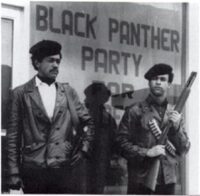
What We Want, What We Believe (1966)
The Black Panther Party Ten-Point Program outlined key demands for social reforms and called for challenging existing authority—at times through armed self-defense—to achieve greater equality…