“The conflicts between the protesters and the established rulers during the crisis allowed news media to adopt a variety of frames congruent with their political and
Y. Roselyn Du
social values.”
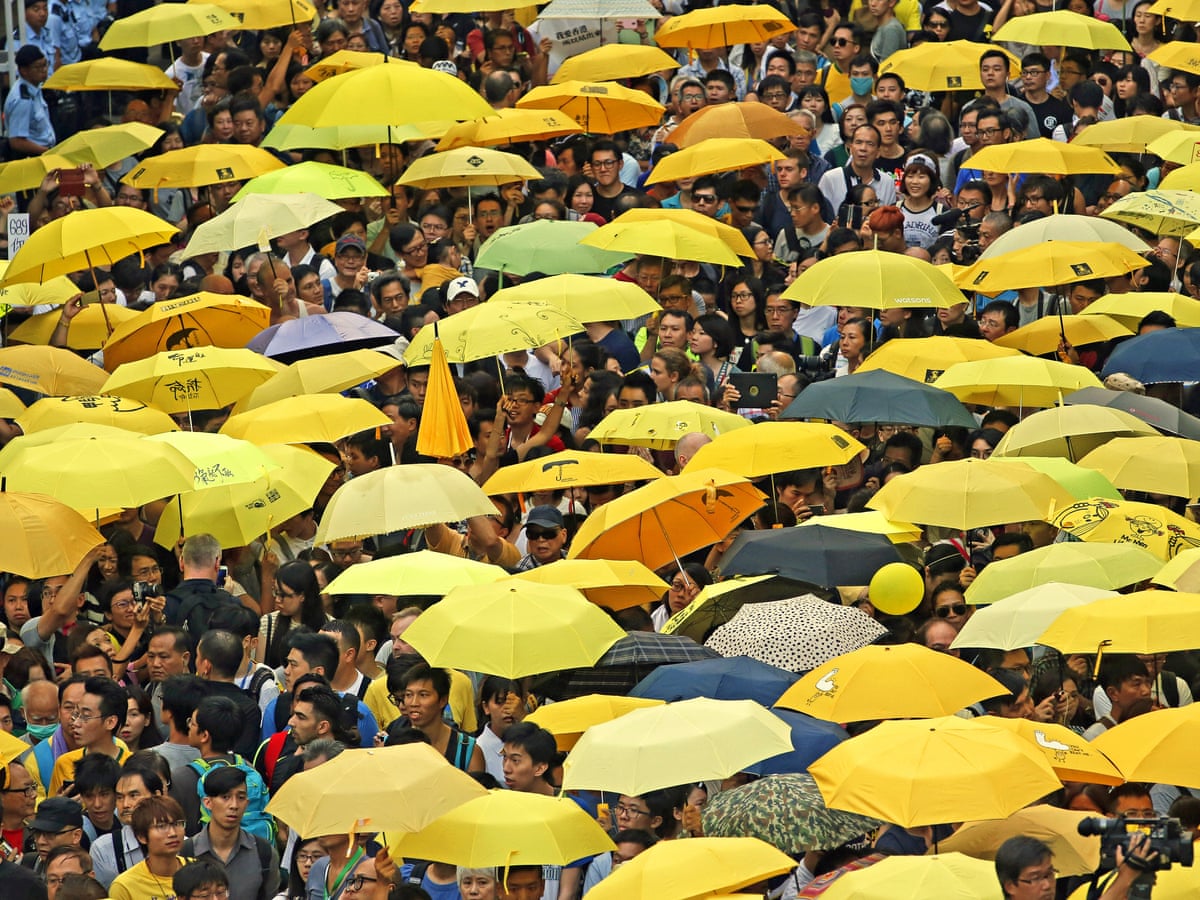
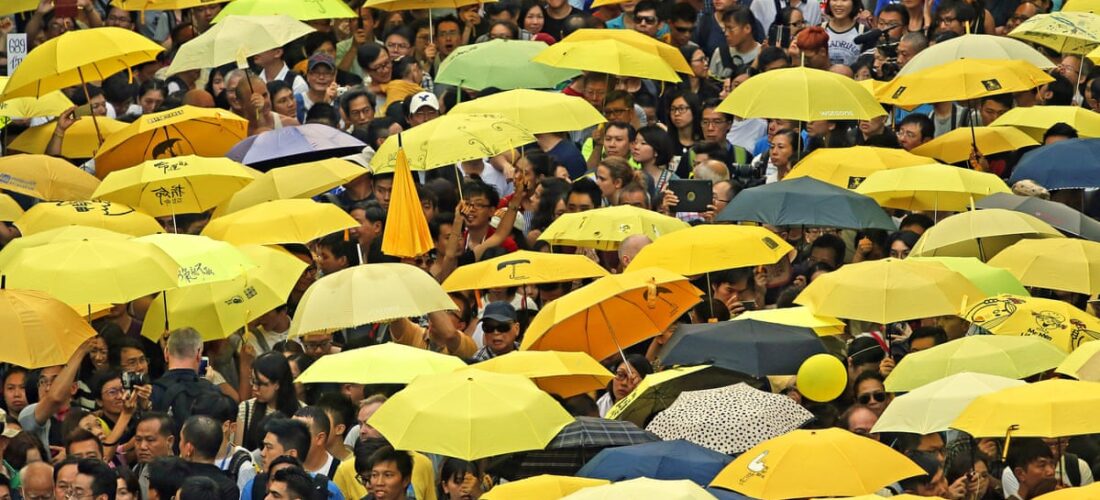
In 2014 in Hong Kong, the Umbrella movement began after Beijing ruled against universal suffrage, prompting tens of thousands of activists to occupy main roads in the city for weeks on end. Protesters built barricades, set up tents, and shut down necessary districts, which disrupted traffic, businesses, and daily life, as well as created huge transportation delays. Police responded with arrests and clearance operations, which increased tension in the city as opposed to restoring order. The yellow umbrellas were used to shield themselves from pepper spray and tear gas, which was politically symbolic as it challenged China’s authority and exposed the deeply rooted divisions within Hong Kong’s society. This also produced polarized media narratives worldwide, with state-controlled media portraying the protests as chaos, while Western outlets framed the protests as promoting democracy. This document is a journal article describing the divide in media coverage from different regions and how this framing creates different interpretations of the occupation.
Related Posts:

Resistance #3 by ELF (2000)
The publication Resistance featured the ELF three times. This first feature tells the story of Craig Rosebraugh at his Grand Jury hearing in Spring of…

Bucknell University Declares Moratorium – 1970
Bucknell University declared a moratorium on classes where students and faculty joined together to defy the war going on in Vietnam

Soviet Churches and Schools (1919)
Nikolai Bukharin - a Bolshevik revolutionary - discusses the need for not only economic liberation but also spiritual liberation of the working class and its…