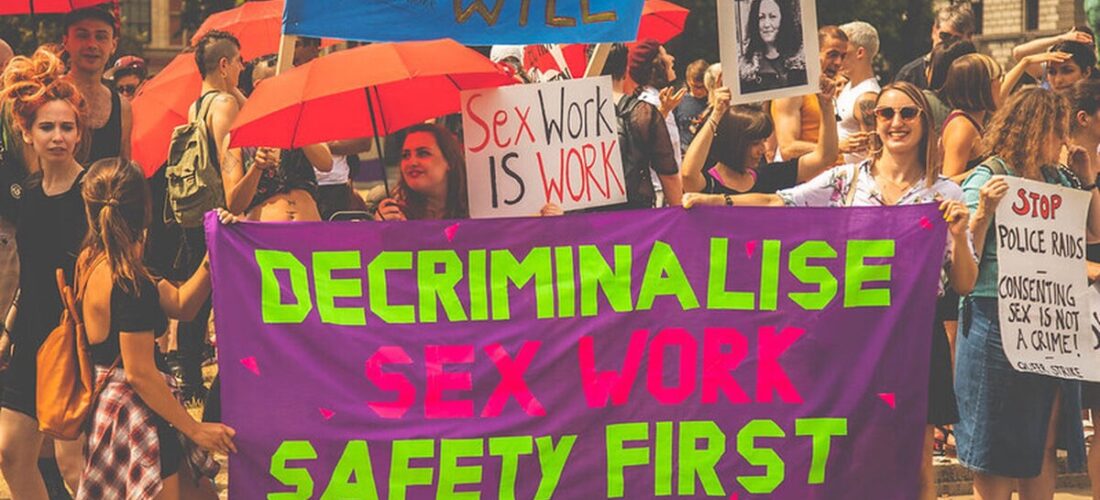
Murray describes how sex workers challenged dominant feminist, governmental, and media narratives about trafficking and exploitation. The anti-trafficking campaigns of the 1990s shifted public discourse by framing prostitution almost exclusively through sensationalized stories of slavery, coercion, and victimhood, but this assertion was countered by sex workers’ own political organizing, especially at the 1995 Beijing UN Conference. By asserting their agency, contesting inflated statistics, and demanding recognition of sex work as labor, sex workers unsettled abolitionist feminism and exposed how moral panic, racism, and restrictive immigration laws intensified exploitation rather than alleviating it. This conflict fractured feminist alliances, weakened the credibility of abolitionist campaigns, and forced international institutions to confront the limits of universal claims about women’s oppression, reshaping debates on migration, labor, and women’s rights in a globalized economy.
“Blanket statements about prostitution and the exploitation of women are propaganda from a
political agenda which seeks to control the way people think and behave.”