“While macroeconomic policies and strategies are put forward as– and are assumed to be– gender-neutral, they often conceal a hidden gender bias with a resultant negative effect on women.”
Tang Nain, 1992
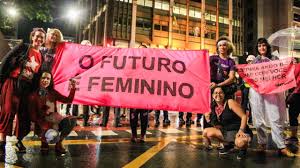
As described by Nain, Caribbean policy formation has placed women at a significant disadvantage compared to their male counterparts. UNICEF studies supported this and recognized that among impoverished communities, women and children were impacted much more disproportionately than men. The Development Alternatives with Women for a New Era called for an understanding of women’s reproductive capacity as well as their gender-specific responsibility of housework and childcare, factors not understood in typical mainstream market understandings. These women also argued that cutbacks in the healthcare sector disproportionately impact female populations due to reproductive care cutbacks. Furthermore, as women are a crucial function in the industry, they were harmed financially by these cutbacks as their hours and wages declined, and many were laid off. This was particularly prominent in Jamaica and Trinidad & Tobago, especially in times of crisis when attempting to settle national debt. In Jamaica and Guyana, rising taxes and fees created significant barriers to women securing education and employment, as education systems were underfunded, also curbing the supply of female teachers, as they made up the majority of educational professionals. In Guyana, the state’s failure to provide potable water placed responsibility on women, as they had to seek out safe water from springs due to their household responsibilities. These policy implications had incredibly uneven consequences on women, sparking unification movements and protests against their implementation. In 1991, at the West Indian Commission, the women’s movement produced a paper calling on the Caribbean governments to quantify women’s work. At the Women’s Economic Conference of 1992, the main issues of structural adjustment were addressed. These women lobbied and protests asserting that the state to prioritize health and education for the entirety of its people. They brought attention to the fact that repaying foreign debt was a more pressing cause than addressing the basic needs of Caribbean women. They argued that consultation with citizens must occur prior to addressing international debt. Joan French, presenter at the Regional Economic Conference, described that the state’s primary responsibility was to ensure the educational, health, recreation, social, and reproductive needs of the population are met wholly. They argued for recognition of the unpaid and overworked labor reserve within women’s households and public spheres, emphasizing focus on humanity, especially during times of crisis. Structural adjustment policies across the Caribbean, particularly in Jamaica, Guyana, and Trinidad and Tobago, disproportionately disrupted women’s lives by cutting healthcare, education, and public services while increasing taxes and debt repayment pressures, intensifying their unpaid domestic burdens and economic insecurity. This inequity sparked organized resistance, as women mobilized to demand recognition of their unpaid labor and to challenge governments’ prioritization of foreign debt over social welfare.