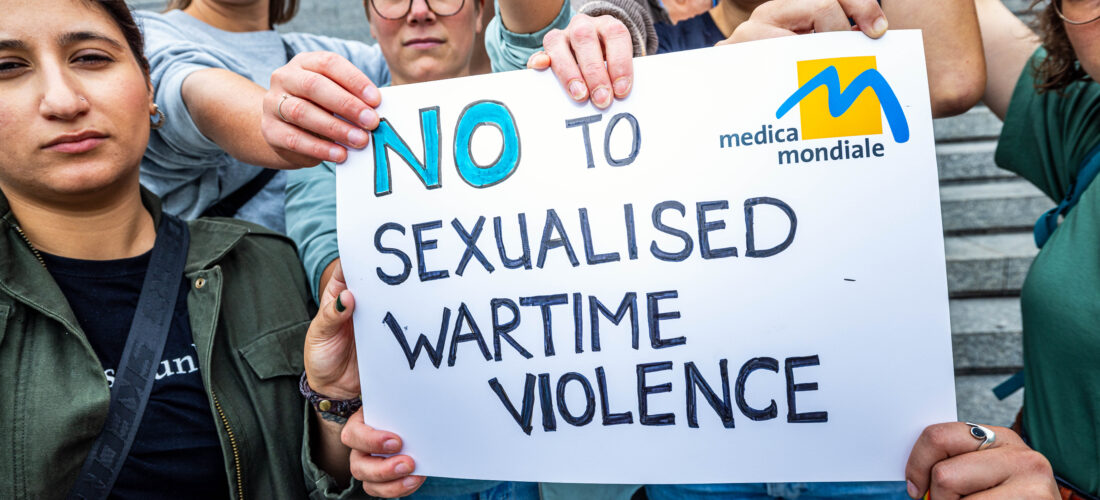
In this chapter, some of the major issues relating to gender and social policy in an international perspective are outlined, and an analytical framework is suggested that might help to forge policies. Ruth Pearson addresses the implications of war or conflict on women, focusing on women’s role as the “reproducer”. Pearson addresses the dual meaning of this terminology: both the biological process and the process of domestic labor. She describes how women’s sexuality is often constrained during times of global insecurity, as the conditions that they enjoy or allow sexual activity are limited because of patriarchal gender relations. Additionally womens bodies become a means of control during times of conflict and often are taken advantage of through assault or rape as ameans to further strategic or political ends. This is representative of patriarchal means of control and military action used in Uganda in the 1980’s, in East Bengal in 1968, and countless other times. Rape and other sexual humiliation and torture have become commonplace in many countries around the world presenting the debate about the morality of bearing children as a product of rape. Often religion plays a crucial role in these decisions and women are pressured to carry the child to term and care for it in a safe loving and nurturing manner but social policies and more recent campaigns have been enacted to protest women’s bodily autonomy and support individual decisions regarding reproductive health and care. This chapter as a whole addresses the need for social and economic policy to not use women as the source or instrument to pursue certain priorities or agendas and promote the analysis of gender relations, intersectionality and legitimate policy objectives.