The Political Invention of the Feminist Strike – L. Cavallero & V. Gago (2021)

2011-Present, Authority, Date, Defining the Enemy, Disruptive Spaces, Patriarchy, Strike, Subjectives of Refusal, Subjects Redefined, Tactics of Disruption, The Home, The Workplace, Urban Spaces, Women

Luci Cavallero and Verónica Gago discuss the March 8th feminist strike in Argentina in both global and historical context. They argue that the strike disrupts multiple domains of patriarchal society – weaving together judicial power as a gear in patriarchal violence, financial-economic power, and the urgency of demands for economic autonomy as an indispensable part of any confrontation with sexist violence. 

The feminist strike enables other meanings capable of responding to pain, but without becoming trapped in victimism.

Sabotage – I.W.W. Elizabeth Gurley Flynn (1911)

1840-1945, Date, Defining the Enemy, Disruptive Spaces, Sabotage/Ecotage, Subjectives of Refusal, Tactics of Disruption, The Bourgeoisie, The Home, The Workplace, Women, Workers

In which the rebel girl describes various forms of sabotage including limiting the over-supply of workers through contraception


It is my hope that workers will not only ‘sabotage’ the supply of products, but also the over-supply of producers. In Europe they are saying, “We are going to limit the supply of workers on the market. We are not going to have 10, 12, 14 children for the army, the navy, the factory, and the mine.”

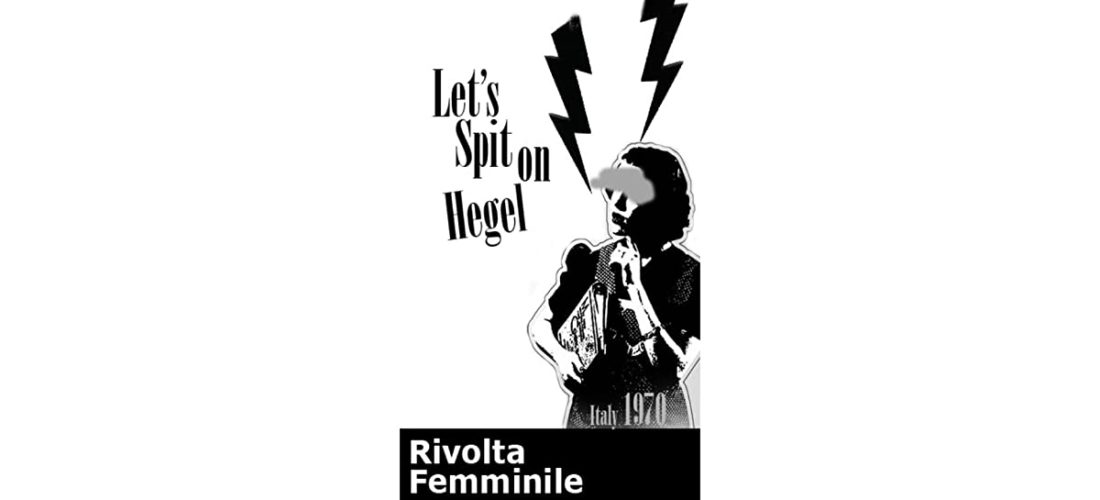
Lets Spit on Hegel – Carla Lonzi (1970)

Defining the Enemy, Patriarchy, Time Interrupted, Women

Carla Lonzi, leading member of the Italian feminist collective Rivolta Femminile, 1970 pamphlet against patriarchal thought, history, and time. In this text Lonzi attacks Hegel (and Marx’s) notions of antagonism, progress, and historical development and calls for a subaltern history of women through the recovery of her perishable traces.


We consider incomplete any history which is based on nonperishable traces. 

The future of the world does not lie in moving continually forwards along a path mapped out by man’s desire for overcoming difficulties. 

Not being trapped within the master-slave dialectic, we become conscious of ourselves; we are the Unexpected Subject.